 Click to view 3D structure | Fatty-acid amide hydrolase 1 | O08914 | Mus musculus | Predicted (SEA) | - Prediction Confidence Score
- 0.282
- Applicability Domain
- 0.348
- Statistical Significance
- 0.0085
- Supporting Reference Compounds
- 46
- E-value
- 66.4832
|
| Click to view 3D structure | Histone deacetylase 11 | Q96DB2 | Humans | Predicted (SEA) | - Prediction Confidence Score
- 0.281
- Applicability Domain
- 0.364
- Statistical Significance
- 0.0307
- Supporting Reference Compounds
- 149
- E-value
- 239.231
|
 Click to view 3D structure | Liver carboxylesterase 1 | P23141 | Humans | Predicted (SEA) | - Prediction Confidence Score
- 0.278
- Applicability Domain
- 0.308
- Statistical Significance
- 0.0049
- Supporting Reference Compounds
- 55
- E-value
- 38.1461
|
| Click to view 3D structure | Phospholipase B | Q9P8P2 | Cryptococcus neoformans | Predicted (SEA) | - Prediction Confidence Score
- 0.929
- Applicability Domain
- 0.929
- Statistical Significance
- 1.00e-05
- Supporting Reference Compounds
- 1
- E-value
- 0.0778492
|
| Click to view 3D structure | Sodium- and chloride-dependent creatine transporter 1 | P28570 | Rattus norvegicus | Predicted (SEA) | - Prediction Confidence Score
- 0.5
- Applicability Domain
- 0.5
- Statistical Significance
- 1.00e-05
- Supporting Reference Compounds
- 1
- E-value
- 0.0778492
|
| Click to view 3D structure | Solute carrier family 22 member 2 | Q9R0W2 | Rattus norvegicus | Predicted (SEA) | - Prediction Confidence Score
- 0.479
- Applicability Domain
- 0.923
- Statistical Significance
- 1.00e-05
- Supporting Reference Compounds
- 14
- E-value
- 0.0778492
|
| Click to view 3D structure | Solute carrier family 22 member 1 | Q63089 | Rattus norvegicus | Predicted (SEA) | - Prediction Confidence Score
- 0.385
- Applicability Domain
- 0.923
- Statistical Significance
- 1.00e-05
- Supporting Reference Compounds
- 17
- E-value
- 0.0778492
|
 Click to view 3D structure | All-trans-retinol dehydrogenase [NAD(+)] ADH7 | P40394 | Humans | Predicted (SEA) | - Prediction Confidence Score
- 0.348
- Applicability Domain
- 0.348
- Statistical Significance
- 1.30e-04
- Supporting Reference Compounds
- 1
- E-value
- 1.01204
|
 Click to view 3D structure | Peroxisome proliferator-activated receptor alpha | Q07869 | Humans | Predicted (SEA) | - Prediction Confidence Score
- 0.337
- Applicability Domain
- 0.364
- Statistical Significance
- 0.0063
- Supporting Reference Compounds
- 127
- E-value
- 49.2007
|
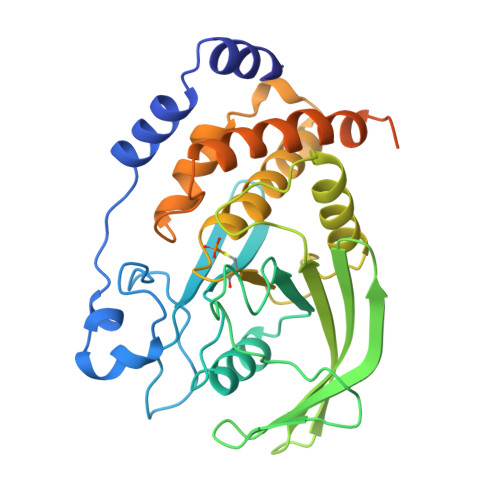 Click to view 3D structure | Tyrosine-protein phosphatase non-receptor type 1 | P18031 | Humans | Predicted (SEA) | - Prediction Confidence Score
- 0.332
- Applicability Domain
- 0.364
- Statistical Significance
- 0.0047
- Supporting Reference Compounds
- 197
- E-value
- 36.9005
|
 Click to view 3D structure | Peroxisome proliferator-activated receptor delta | Q03181 | Humans | Predicted (SEA) | - Prediction Confidence Score
- 0.319
- Applicability Domain
- 0.364
- Statistical Significance
- 0.0064
- Supporting Reference Compounds
- 89
- E-value
- 49.6678
|
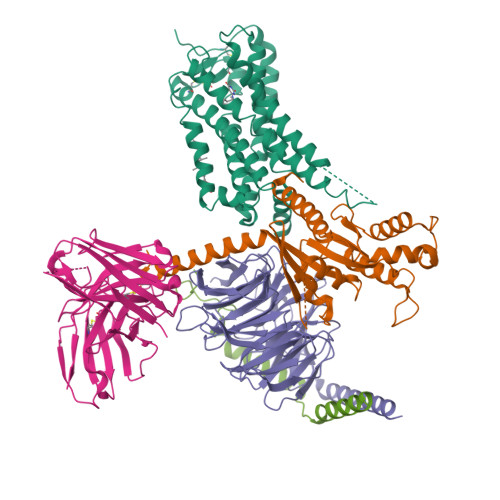 Click to view 3D structure | G-protein coupled receptor 84 | Q9NQS5 | Humans | Predicted (SEA) | - Prediction Confidence Score
- 0.315
- Applicability Domain
- 0.364
- Statistical Significance
- 8.40e-04
- Supporting Reference Compounds
- 15
- E-value
- 6.53933
|
 Click to view 3D structure | Transient receptor potential cation channel subfamily V member 2 | Q9WUD2 | Rattus norvegicus | Predicted (SEA) | - Prediction Confidence Score
- 0.315
- Applicability Domain
- 0.364
- Statistical Significance
- 0.0019
- Supporting Reference Compounds
- 21
- E-value
- 14.7914
|
| Click to view 3D structure | Streptokinase A | P10520 | Streptococcus pyogenes serotype M1 | Predicted (SEA) | - Prediction Confidence Score
- 0.303
- Applicability Domain
- 0.55
- Statistical Significance
- 0.0194
- Supporting Reference Compounds
- 425
- E-value
- 150.872
|
| Click to view 3D structure | Fatty-acid amide hydrolase 1 | O00519 | Humans | Predicted (SEA) | - Prediction Confidence Score
- 0.301
- Applicability Domain
- 0.348
- Statistical Significance
- 0.0145
- Supporting Reference Compounds
- 106
- E-value
- 112.726
|
| Click to view 3D structure | Cannabinoid receptor 1 | P20272 | Rattus norvegicus | Predicted (SEA) | - Prediction Confidence Score
- 0.297
- Applicability Domain
- 0.348
- Statistical Significance
- 0.0068
- Supporting Reference Compounds
- 83
- E-value
- 52.7818
|
| Click to view 3D structure | CAI-1 autoinducer sensor kinase/phosphatase CqsS | Q9KM66 | Vibrio cholerae serotype O1 (strain ATCC 39315 / El Tor Inaba N16961) | Predicted (SEA) | - Prediction Confidence Score
- 0.296
- Applicability Domain
- 0.296 Low confidence
- Statistical Significance
- 5.50e-04
- Supporting Reference Compounds
- 1
- E-value
- 4.28171
|
| Click to view 3D structure | Sarcoplasmic/endoplasmic reticulum calcium ATPase 3 | Q64518 | Mus musculus | Predicted (SEA) | - Prediction Confidence Score
- 0.296
- Applicability Domain
- 0.296 Low confidence
- Statistical Significance
- 0.0019
- Supporting Reference Compounds
- 1
- E-value
- 14.8692
|
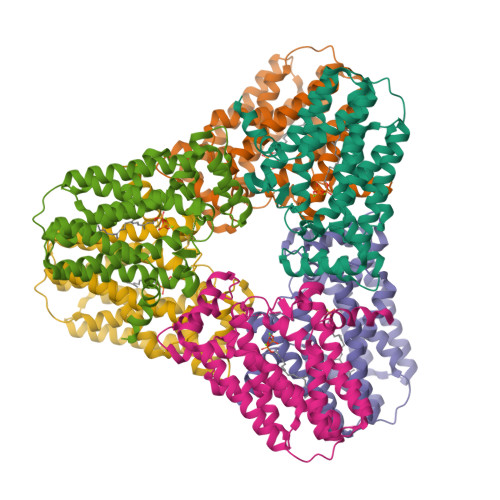 Click to view 3D structure | Geranylgeranyl pyrophosphate synthase | O95749 | Humans | Predicted (SEA) | - Prediction Confidence Score
- 0.294
- Applicability Domain
- 0.296 Low confidence
- Statistical Significance
- 5.20e-04
- Supporting Reference Compounds
- 15
- E-value
- 4.04816
|
| Click to view 3D structure | Farnesyl pyrophosphate synthase | Q0GKD7 | Leishmania donovani | Predicted (SEA) | - Prediction Confidence Score
- 0.294
- Applicability Domain
- 0.296 Low confidence
- Statistical Significance
- 4.70e-04
- Supporting Reference Compounds
- 14
- E-value
- 3.65891
|
 Click to view 3D structure | Peroxisome proliferator-activated receptor gamma | P37231 | Humans | Predicted (SEA) | - Prediction Confidence Score
- 0.29
- Applicability Domain
- 0.364
- Statistical Significance
- 0.0239
- Supporting Reference Compounds
- 192
- E-value
- 186.293
|
 Click to view 3D structure | Farnesyl pyrophosphate synthase | P14324 | Humans | Predicted (SEA) | - Prediction Confidence Score
- 0.287
- Applicability Domain
- 0.296 Low confidence
- Statistical Significance
- 7.00e-04
- Supporting Reference Compounds
- 22
- E-value
- 5.44945
|
| Click to view 3D structure | Cocaine esterase | O00748 | Humans | Predicted (SEA) | - Prediction Confidence Score
- 0.285
- Applicability Domain
- 0.308
- Statistical Significance
- 0.0012
- Supporting Reference Compounds
- 40
- E-value
- 9.6533
|
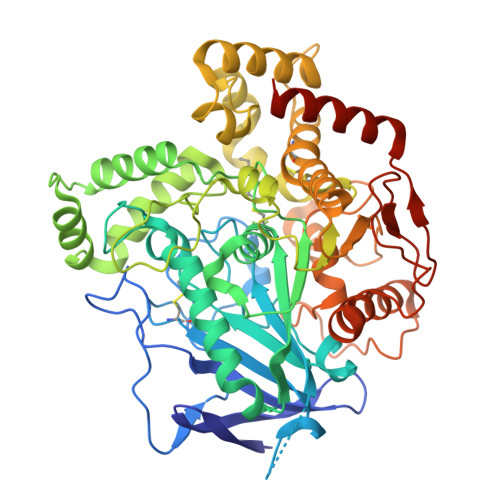 Click to view 3D structure | Juvenile hormone esterase | Q9GPG0 | Manduca sexta | Predicted (SEA) | - Prediction Confidence Score
- 0.283
- Applicability Domain
- 0.308
- Statistical Significance
- 4.30e-04
- Supporting Reference Compounds
- 2
- E-value
- 3.34752
|
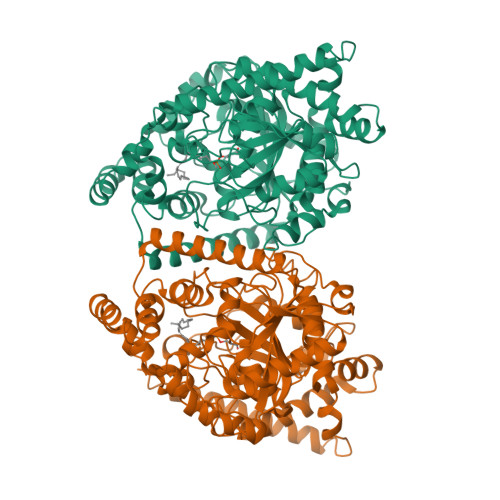 Click to view 3D structure | Fatty-acid amide hydrolase 1 | P97612 | Rattus norvegicus | Predicted (SEA) | - Prediction Confidence Score
- 0.282
- Applicability Domain
- 0.348
- Statistical Significance
- 0.0159
- Supporting Reference Compounds
- 102
- E-value
- 123.547
|

