 Click to view 3D structure Click to view 3D structure | Cannabinoid receptor 1 | P20272 | Rattus norvegicus | Predicted (SEA) | - Prediction Confidence Score
- 0.45
- Applicability Domain
- 0.474
- Statistical Significance
- 0.0015
- Supporting Reference Compounds
- 83
- E-value
- 11.5995
|
 Click to view 3D structure Click to view 3D structure | Cannabinoid receptor 1 | P21554 | Humans | Predicted (SEA) | - Prediction Confidence Score
- 0.433
- Applicability Domain
- 0.474
- Statistical Significance
- 0.0023
- Supporting Reference Compounds
- 200
- E-value
- 17.9832
|
 Click to view 3D structure Click to view 3D structure | Transient receptor potential cation channel subfamily V member 2 | Q9WUD2 | Rattus norvegicus | Predicted (SEA) | - Prediction Confidence Score
- 0.431
- Applicability Domain
- 0.474
- Statistical Significance
- 7.00e-04
- Supporting Reference Compounds
- 21
- E-value
- 5.44945
|
 Click to view 3D structure Click to view 3D structure | Transient receptor potential cation channel subfamily V member 1 | Q8NER1 | Humans | Predicted (SEA) | - Prediction Confidence Score
- 0.426
- Applicability Domain
- 0.474
- Statistical Significance
- 0.001
- Supporting Reference Compounds
- 104
- E-value
- 8.09632
|
 Click to view 3D structure Click to view 3D structure | Cannabinoid receptor 2 | P34972 | Humans | Predicted (SEA) | - Prediction Confidence Score
- 0.412
- Applicability Domain
- 0.473
- Statistical Significance
- 0.0025
- Supporting Reference Compounds
- 175
- E-value
- 19.2288
|
| Click to view 3D structure | Fatty-acid amide hydrolase 1 | O00519 | Humans | Predicted (SEA) | - Prediction Confidence Score
- 0.382
- Applicability Domain
- 0.431
- Statistical Significance
- 0.003
- Supporting Reference Compounds
- 106
- E-value
- 23.2769
|
 Click to view 3D structure Click to view 3D structure | Fatty-acid amide hydrolase 1 | P97612 | Rattus norvegicus | Predicted (SEA) | - Prediction Confidence Score
- 0.38
- Applicability Domain
- 0.474
- Statistical Significance
- 0.0022
- Supporting Reference Compounds
- 102
- E-value
- 17.2047
|
| Click to view 3D structure | Cannabinoid receptor 2 | Q9QZN9 | Rattus norvegicus | Predicted (SEA) | - Prediction Confidence Score
- 0.374
- Applicability Domain
- 0.431
- Statistical Significance
- 4.40e-04
- Supporting Reference Compounds
- 20
- E-value
- 3.42537
|
| Click to view 3D structure | Cannabinoid receptor 2 | P47936 | Mus musculus | Predicted (SEA) | - Prediction Confidence Score
- 0.356
- Applicability Domain
- 0.431
- Statistical Significance
- 0.0018
- Supporting Reference Compounds
- 39
- E-value
- 14.0129
|
 Click to view 3D structure Click to view 3D structure | Peroxisome proliferator-activated receptor alpha | Q07869 | Humans | Predicted (SEA) | - Prediction Confidence Score
- 0.354
- Applicability Domain
- 0.473
- Statistical Significance
- 0.0047
- Supporting Reference Compounds
- 127
- E-value
- 36.9784
|
 Click to view 3D structure Click to view 3D structure | Peroxisome proliferator-activated receptor delta | Q03181 | Humans | Predicted (SEA) | - Prediction Confidence Score
- 0.354
- Applicability Domain
- 0.473
- Statistical Significance
- 0.0035
- Supporting Reference Compounds
- 89
- E-value
- 27.3251
|
 Click to view 3D structure Click to view 3D structure | Transient receptor potential cation channel subfamily V member 1 | O35433 | Rattus norvegicus | Predicted (SEA) | - Prediction Confidence Score
- 0.349
- Applicability Domain
- 0.431
- Statistical Significance
- 7.30e-04
- Supporting Reference Compounds
- 21
- E-value
- 5.68299
|
| Click to view 3D structure | Cannabinoid receptor 1 | P47746 | Mus musculus | Predicted (SEA) | - Prediction Confidence Score
- 0.34
- Applicability Domain
- 0.431
- Statistical Significance
- 0.0017
- Supporting Reference Compounds
- 42
- E-value
- 13.3122
|
 Click to view 3D structure Click to view 3D structure | Peroxisome proliferator-activated receptor gamma | P37231 | Humans | Predicted (SEA) | - Prediction Confidence Score
- 0.317
- Applicability Domain
- 0.328
- Statistical Significance
- 0.0119
- Supporting Reference Compounds
- 192
- E-value
- 92.6406
|
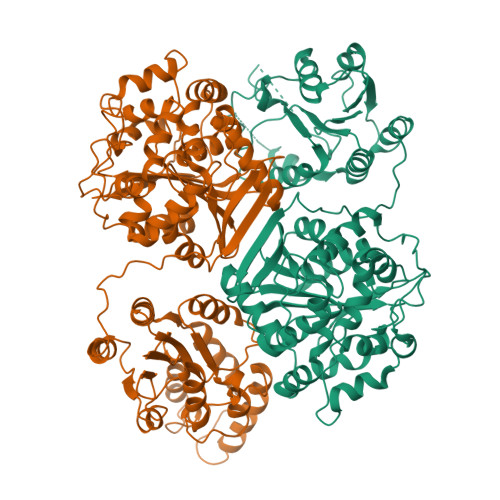 Click to view 3D structure Click to view 3D structure | Bifunctional epoxide hydrolase 2 | P34914 | Mus musculus | Predicted (SEA) | - Prediction Confidence Score
- 0.271
- Applicability Domain
- 0.369
- Statistical Significance
- 0.0108
- Supporting Reference Compounds
- 29
- E-value
- 83.9993
|
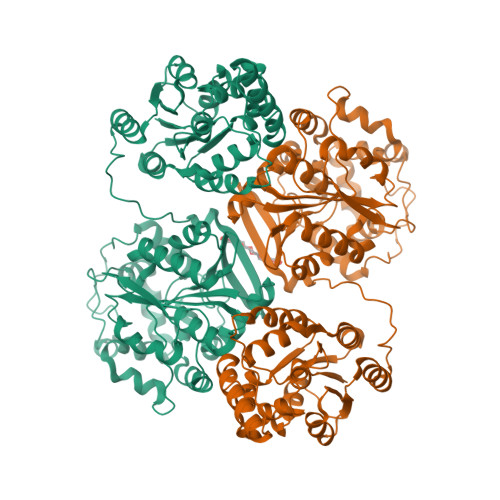 Click to view 3D structure Click to view 3D structure | Bifunctional epoxide hydrolase 2 | P34913 | Humans | Predicted (SEA) | - Prediction Confidence Score
- 0.271
- Applicability Domain
- 0.369
- Statistical Significance
- 0.0387
- Supporting Reference Compounds
- 93
- E-value
- 301.121
|
 Click to view 3D structure Click to view 3D structure | Tyrosine-protein phosphatase non-receptor type 1 | P18031 | Humans | Predicted (SEA) | - Prediction Confidence Score
- 0.27
- Applicability Domain
- 0.321
- Statistical Significance
- 0.0272
- Supporting Reference Compounds
- 197
- E-value
- 211.594
|
| Click to view 3D structure | Lysophosphatidic acid receptor 3 | Q9UBY5 | Humans | Predicted (SEA) | - Prediction Confidence Score
- 0.26
- Applicability Domain
- 0.296 Low confidence
- Statistical Significance
- 0.0034
- Supporting Reference Compounds
- 21
- E-value
- 26.5466
|
 Click to view 3D structure Click to view 3D structure | Sphingomyelinase C | P11889 | Bacillus cereus | Predicted (SEA) | - Prediction Confidence Score
- 0.258
- Applicability Domain
- 0.258 Low confidence
- Statistical Significance
- 0.0015
- Supporting Reference Compounds
- 1
- E-value
- 11.9888
|
| Click to view 3D structure | Bifunctional epoxide hydrolase 2 | P80299 | Rattus norvegicus | Predicted (SEA) | - Prediction Confidence Score
- 0.256
- Applicability Domain
- 0.369
- Statistical Significance
- 0.0126
- Supporting Reference Compounds
- 29
- E-value
- 98.3236
|
| Click to view 3D structure | Acidic phospholipase A2 CM-I | P00602 | Naja mossambica | Predicted (SEA) | - Prediction Confidence Score
- 0.254
- Applicability Domain
- 0.254 Low confidence
- Statistical Significance
- 0.0062
- Supporting Reference Compounds
- 1
- E-value
- 48.6558
|
 Click to view 3D structure Click to view 3D structure | Fatty acid-binding protein, adipocyte | P15090 | Humans | Predicted (SEA) | - Prediction Confidence Score
- 0.252
- Applicability Domain
- 0.328
- Statistical Significance
- 0.0035
- Supporting Reference Compounds
- 19
- E-value
- 27.6365
|
| Click to view 3D structure | Nuclear receptor subfamily 4 group A member 2 | Q07917 | Rattus norvegicus | Predicted (SEA) | - Prediction Confidence Score
- 0.251
- Applicability Domain
- 0.267 Low confidence
- Statistical Significance
- 9.80e-04
- Supporting Reference Compounds
- 3
- E-value
- 7.62922
|
| Click to view 3D structure | Lysophosphatidic acid receptor 4 | Q8BLG2 | Mus musculus | Predicted (SEA) | - Prediction Confidence Score
- 0.25
- Applicability Domain
- 0.25 Low confidence
- Statistical Significance
- 0.0016
- Supporting Reference Compounds
- 1
- E-value
- 12.4559
|
 Click to view 3D structure Click to view 3D structure | Free fatty acid receptor 4 | Q5NUL3 | Humans | Predicted (SEA) | - Prediction Confidence Score
- 0.248
- Applicability Domain
- 0.328
- Statistical Significance
- 0.0347
- Supporting Reference Compounds
- 63
- E-value
- 270.37
|

