Some data may have been extracted from scientific literature using a pipeline that uses large language models (LLMs). Source articles are cited where applicable to help verify the extracted relationships.
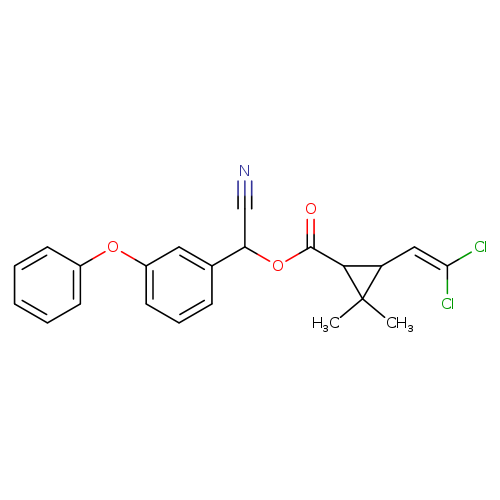
Cypermethrin (C22H19Cl2NO3) is an exogenous solid with an average molecular weight of 416.30 g/mol. Cypermethrin belongs to the fatty acid esters, a subclass of fatty acyls within the organic compounds. It is utilized as a pyrethroid ester insecticide, pyrethroid ester acaricide, agrochemical, molluscicide, and biocide (PMC8229483 , PMC8587002 ). It is further classified as a pesticide (PMC4817206 , PMC8271813 ) and an industrial insecticide (PMC11612141 ).
The compound is released from 43 recorded sources, including agriculture and land management pesticides, drinking water, building and construction materials such as floors and roofs, food contact materials, and household cleaning and consumer products. Recorded exposure routes include oral, inhalation, and touch.
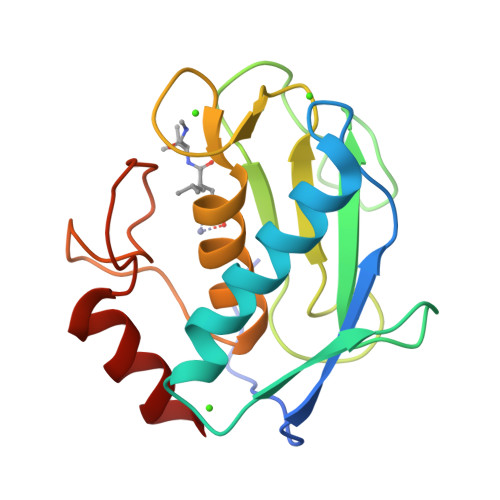
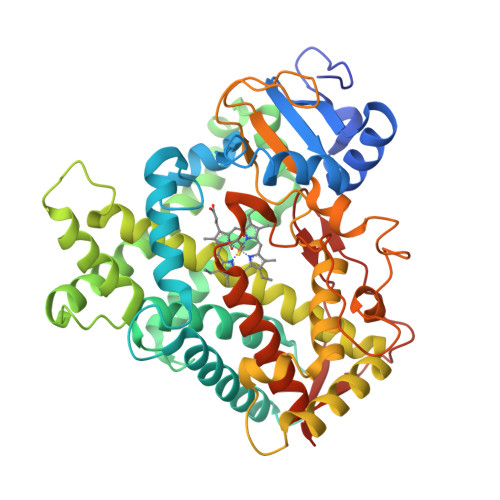
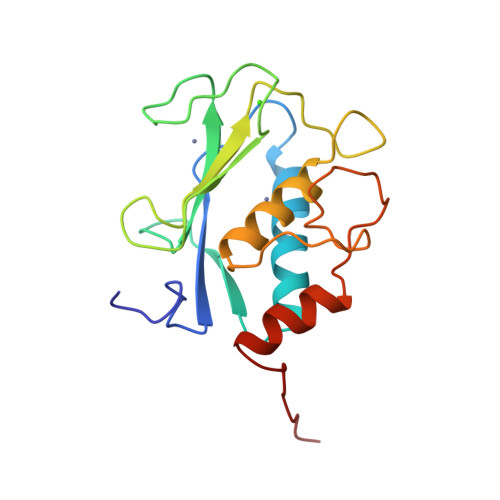
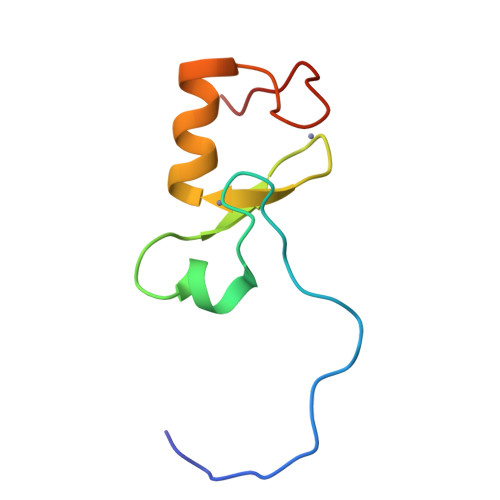
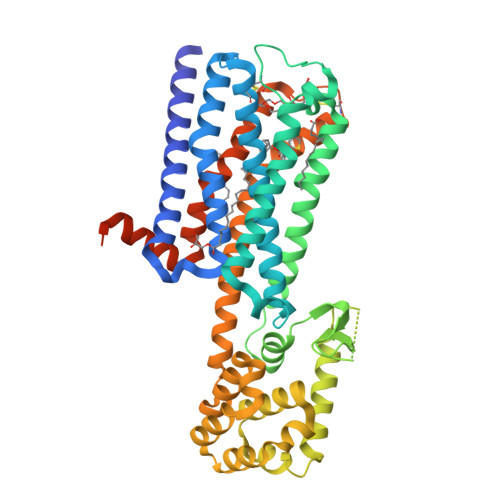
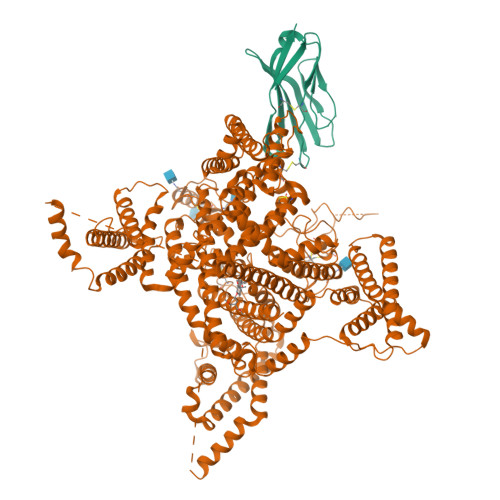
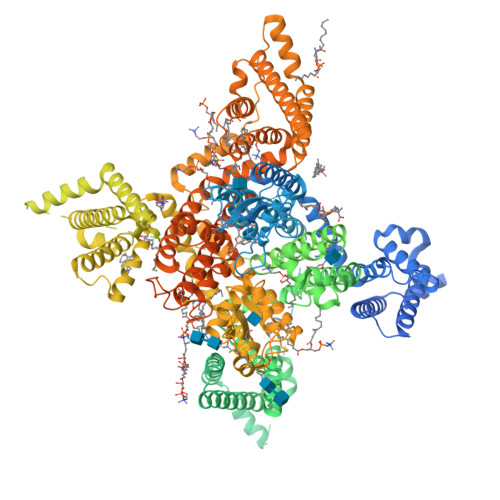
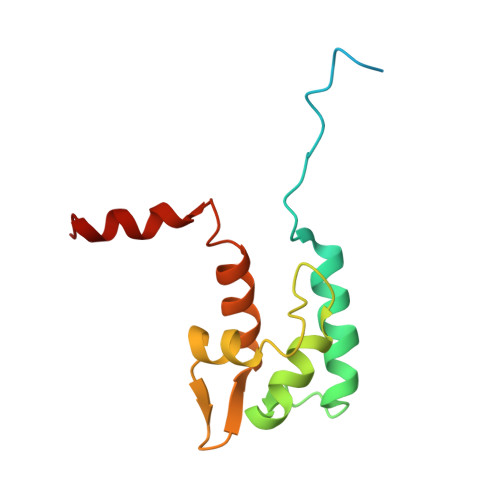
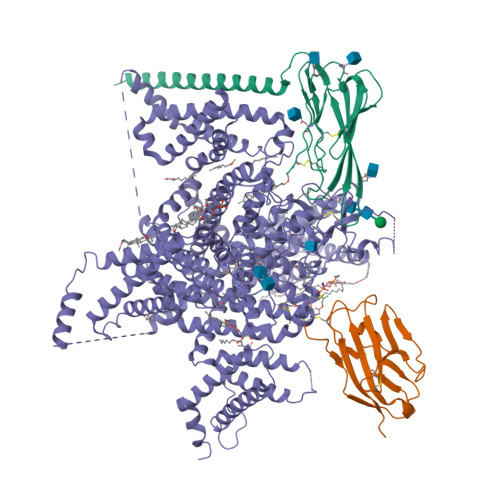
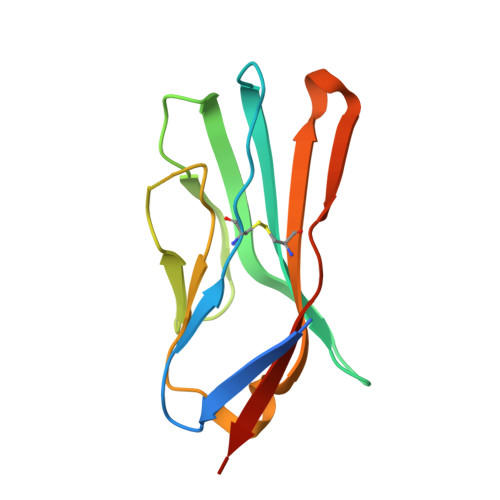
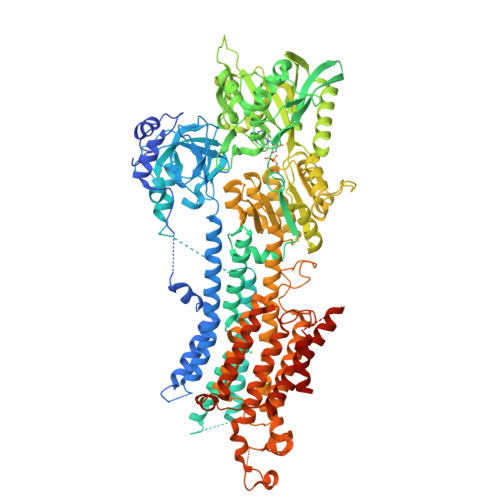
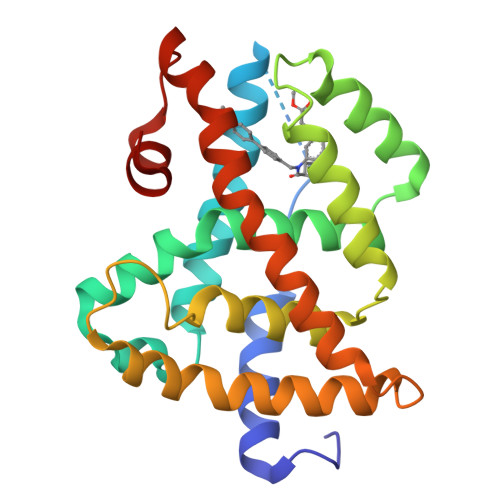
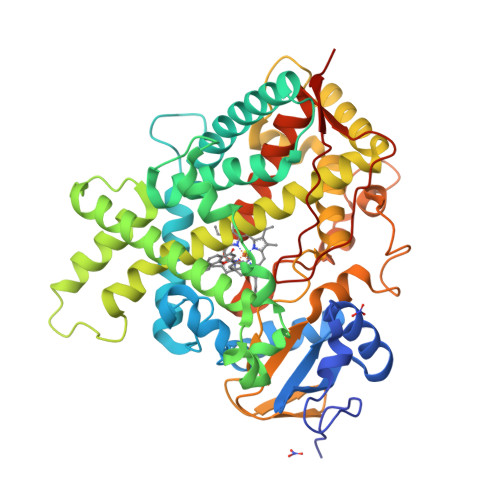
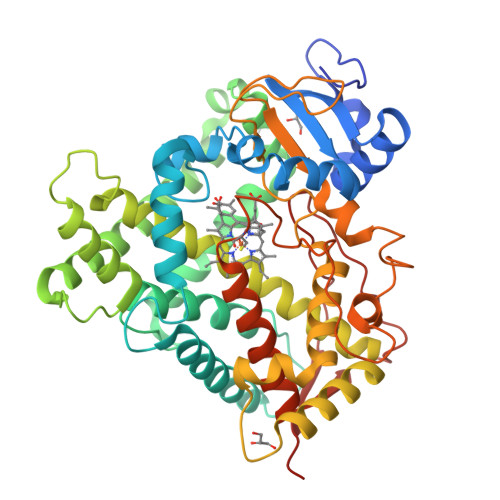
Cypermethrin targets 35 recorded proteins, including sodium channel protein type 1 subunit alpha (SCN1A), sodium channel protein type 10 subunit alpha (SCN10A), sodium channel protein type 11 subunit alpha (SCN11A), and sodium channel protein type 2 subunit alpha (SCN2A). It acts as an axonic poison that blocks the closing of sodium gates in nerves, prolonging the open phase when a nerve cell is excited. This prolongs the return of the membrane potential to its resting state, leading to nervous system hyperactivity, paralysis, and/or death. Additionally, it targets proteins such as Calcium-transporting ATPase type 2C member 1 (ATP2C1), Sarcoplasmic/endoplasmic reticulum calcium ATPase 2 (ATP2A2), and Sarcoplasmic/endoplasmic reticulum calcium ATPase 1 (ATP2A1). By inhibiting Na+/K+ ATPase and Ca2+ and Mg2+ ATPase, cypermethrin causes intracellular free calcium ions to accumulate, promoting the release of neurotransmitters and the propagation of stimuli throughout the central nervous system. Other protein targets include CYP1A1, CYP1A2, COL3A1, and CYP27B1.
Belongs to the class of organic compounds known as pyrethroids. These are organic compounds similar to the pyrethrins. Some pyrethroids containing a chrysanthemic acid esterified with a cyclopentenone (pyrethrins), or with a phenoxybenzyl group.
poison (PMC3563741 , PMC9798163 )?A chemical substance, naturally occurring or synthetic, that is harmful to an organism exposed to it in sufficient amounts
neurotoxin (PMC9963837 )?A chemical substance that interferes with the normal functioning of the nervous system
Both type I and type II pyrethroids exert their effect by prolonging the open phase of the sodium channel gates when a nerve cell is excited. They appear to bind to the membrane lipid phase in the immediate vicinity of the sodium channel, thus modifying the channel kinetics. This blocks the closing of the sodium gates in the nerves, and thus prolongs the return of the membrane potential to its resting state. The repetitive (sensory, motor) neuronal discharge and a prolonged negative afterpotential produces effects quite similar to those produced by DDT, leading to hyperactivity of the nervous system which can result in paralysis and/or death. Other mechanisms of action of pyrethroids include antagonism of gamma-aminobutyric acid (GABA)-mediated inhibition, modulation of nicotinic cholinergic transmission, enhancement of noradrenaline release, and actions on calcium ions. They also inhibit calium channels and Ca2+, Mg2+-ATPase. (12, 13, 6)
Following dermal exposure to cypermethrin, feelings of numbness, itching, burning, stinging, tingling, or warmth may occur, that could last for a few hours. Ddizziness, headache, nausea, muscle twitching, reduced energy, and changes in awareness can reult from inhalation or ingestion of large amounts of cypermethrin. Paralysis can occur after exposure (6).
Treatment
Following oral exposure, the treatment is symptomatic and supportive and includes monitoring for the development of hypersensitivity reactions with respiratory distress. Provide adequate airway management when needed. Gastric decontamination is usually not required unless the pyrethrin product is combined with a hydrocarbon. Following inhalation exposure, move patient to fresh air. monitor for respiratory distress. If cough or difficulty breathing develops, evaluate for respiratory tract irritation, bronchitis, or pneumonitis. Administer oxygen and assist ventilation as required. Treat bronchospasm with inhaled beta2 agonist and oral or parenteral corticosteroids. In case of eye exposure, irrigate exposed eyes with copious amounts of room temperature water for at least 15 minutes. If irritation, pain, swelling, lacrimation, or photophobia persist, the patient should be seen in a health care facility. If the contamination occurs through dermal exposure, Remove contaminated clothing and wash exposed area thoroughly with soap and water. A physician may need to examine the area if irritation or pain persists. Vitamin E topical application is highly effective in relieving parenthesis. (4)
Health Effects
Health Effect
Relationship
Direction
Description
Reference
breast cancer
Not Available
Not Available
A breast cancer that has material basis in abnormally proliferating cells derives from epithelial cells. (DO)
Soil?Soil serves as a critical medium for plant growth and sustains various ecological functions; however, it can become a reservoir for synthetic chemical contamination.
Indoor dust?Indoor dust is a complex mixture of particles that accumulates in indoor environments, consisting of materials such as skin flakes, hair, textile fibers, and particles from outdoor sources.
Indoor air?Indoor air can be a significant reservoir for synthetic chemical contaminants, which often originate from various sources within enclosed environments.
Stormwater runoff?Stormwater runoff refers to the flow of rainwater or melted snow that does not soak into the ground and instead collects pollutants as it travels over impervious surfaces such as roads and parking lots.
Drinking water?Drinking water can be a medium for synthetic chemical contamination, often originating from various industrial processes and agricultural practices.
Ballast water?Ballast water, taken on by ships to maintain stability and balance, often contains a diverse array of microorganisms, including bacteria, viruses, and plankton.
Bilge water?Bilge water is a byproduct generated from the accumulation of water in the lowest part of a ship's hull, which may include a mixture of seawater, oil, fuel residues, and various contaminants.
Brushes?Brushes used in personal care and cosmetics can be a source of synthetic chemical contamination due to the materials and coatings used in their manufacturing.
Food contact materials?Food contact materials refer to substances and products that are intended to come into contact with food during processing, packaging, or preparation.
Floors?Floors in built environments can be a significant source of synthetic chemical contamination due to the materials and finishes used in their construction.
Ladders?Ladders, commonly used in various construction and maintenance activities, can become a source of synthetic chemical contamination due to the materials and coatings applied during their manufacture and use.
Tents Or Canopies?Tents and canopies used in various applications can be a source of synthetic chemical contamination primarily due to the materials from which they are made.
Antennas?Antennas, commonly used in communication technologies, can be a source of synthetic chemical contamination through the materials and coatings used in their construction.
Communication Cables Or Conductors?Communication cables or conductors are essential components in the transmission of data and signals in various applications, including telecommunications and networking.
Conductors Or Conductive Bodies Characterised By The Conductive Materials?Conductors, or conductive bodies, are materials that allow the flow of electrical current, typically made from metals such as copper, aluminum, or silver.
Discharge Lamps?Discharge lamps, including fluorescent and high-intensity discharge (HID) lamps, are commonly used for lighting applications due to their energy efficiency and brightness.
Electric Switches?Electric switches, integral components in numerous devices, can be a source of synthetic chemical contamination due to the materials and manufacturing processes involved in their production.
Electrically Stimulated Smoking Devices?Electrically stimulated smoking devices, commonly known as e-cigarettes or vape pens, utilize electrical components to heat a liquid solution, often containing nicotine, flavorings, and other additives, to produce an aerosol for inhalation.
Electrodes?Electrodes, used in various electrical and electronic applications, can be a source of synthetic chemical contamination due to the materials from which they are constructed and the processes involved in their manufacturing.
Emergency Protective Devices?Emergency protective devices, such as circuit breakers and surge protectors, are essential components in electrical systems designed to prevent damage from overcurrent and surges.
Fixed Capacitors And Their Manufacture?Fixed capacitors are passive electronic components used to store and release electrical energy, playing a critical role in various circuits.
Hybrid Capacitors?Hybrid capacitors are energy storage devices that combine the properties of electrolytic and supercapacitors, utilizing a combination of electrochemical principles to achieve higher energy density and power density.
Line Transmission Systems?Line Transmission Systems, commonly used for the distribution of electrical energy, can be a source of synthetic chemical contamination through the insulation materials and coatings utilized in their construction.
Magnets?Magnets, commonly used in various electrical and electronic applications, can be a source of synthetic chemical contamination due to the materials used in their production.
Power Cables?Power cables are used to transmit electrical energy and are typically composed of conductive materials, insulation, and protective coatings.
Sparking Plugs?Spark plugs are critical components in internal combustion engines, facilitating the ignition of fuel-air mixtures by generating a spark.
Television Systems?Television systems can be a source of synthetic chemical contamination due to the various materials and components used in their manufacture and operation.
Thin Magnetic Films?Thin magnetic films are layers of magnetic material ranging from a few nanometers to several micrometers in thickness, commonly used in applications such as magnetic sensors, data storage devices, and electronic components.
Food Preservation?Food preservation often involves the use of synthetic chemicals, such as preservatives, flavor enhancers, and color additives, to extend shelf life and enhance the sensory qualities of food products.
Molasses And Treatment Of Molasses?Molasses is a thick, viscous byproduct of sugar production, derived from the extraction of sugar cane or sugar beet juice.
Preparation Of Malt?Malt preparation involves the germination and drying of cereal grains, primarily barley, to produce malt for brewing and food products.
Preparation Of Vinegar?Vinegar is produced through the fermentation of ethanol by acetic acid bacteria, resulting in a solution that typically contains 4-8% acetic acid.
Treatment Of Hops?Hops, a key ingredient in brewing and food flavoring, can be a source of synthetic chemical contamination due to various agricultural practices.
Bleaching Agents?Bleaching agents are chemical substances used to whiten or lighten materials, often employed in various cleaning products for their stain removal and disinfecting properties.
Non Electric Simulated Smoking Devices?Non-electric simulated smoking devices, often designed to mimic the experience of smoking without combustion, can be sources of synthetic chemical contamination due to the materials and chemicals used in their construction and operation.
Other Smoking Requisites?Other smoking requisites, including items such as lighters, matches, and rolling papers, can introduce synthetic chemical contamination through various components and additives.
Perfumes Within Detergents And Soaps?Perfumes within detergents and soaps are synthetic fragrance compounds added to enhance the sensory experience of cleaning products.
Pipe Accessories?Pipe accessories, such as fittings, connectors, and seals, are components used in plumbing systems to facilitate the flow of liquids and gases.
Soap Detergents?Soap detergents are synthetic surfactants designed to enhance the cleaning efficacy of water by reducing surface tension, allowing for better interaction with dirt and grease.
Tobacco Smoke Filters?Tobacco smoke filters are designed to reduce the inhalation of harmful substances in cigarette smoke, including tar and other particulate matter.
Making Cigars?The process of making cigars involves several steps, including the cultivation of tobacco, fermentation, and the application of various additives to enhance flavor and preservation.
Manufacture Of Iron Or Steel?The manufacture of iron or steel involves various processes, including smelting, refining, and alloying, which can result in the release of synthetic chemicals and contaminants.
Manufacture Preparation Of Tobacco Products?The manufacture and preparation of tobacco products involve various processes that can result in the introduction of synthetic chemicals into the environment.
Anchoring Equipment?Anchoring equipment, commonly used in marine applications, can be a source of synthetic chemical contamination due to the materials and coatings utilized in their manufacturing.
Buoys?Buoys, often used for navigation and marine monitoring, can be sources of synthetic chemical contamination due to the materials and coatings employed in their construction.
Canoes And Kayaks?Canoes and kayaks, commonly used for recreational and transportation purposes, can contribute to synthetic chemical contamination primarily through the materials used in their construction and maintenance.
Inflatable Life Saving Equipment?Inflatable Life Saving Equipment (ILSE) is commonly made from synthetic materials such as polyvinyl chloride (PVC), thermoplastic polyurethane (TPU), or nylon coated with polymer films.
Life Buoys?Life buoys, commonly used in marine environments for safety and rescue operations, can be a source of synthetic chemical contamination due to the materials used in their production.
Lifeboat Equipment?Lifeboat equipment typically includes various synthetic materials used in the construction of life rafts, flotation devices, and safety gear.
Lifeboats?Lifeboats, used for emergency evacuation at sea, can be a source of synthetic chemical contamination due to the materials and substances used in their construction and maintenance.
Marine Propulsion Or Steering?Marine propulsion and steering systems often rely on various synthetic chemicals, including lubricants, fuels, and hydraulic fluids.
Ships?Ships, as vehicles for international trade and transportation, can be significant sources of synthetic chemical contamination in marine environments.
Chemosterilants?Chemosterilants are synthetic chemicals designed to induce sterility in target pest populations, thereby controlling their reproduction and mitigating damage to crops.
Fertiliser Distributors?Fertiliser distributors play a critical role in the supply of synthetic fertilizers, which are widely used to enhance soil fertility and crop yield.
Molluscicides?Molluscicides are synthetic chemicals specifically designed to control and eliminate mollusks, such as snails and slugs, which can be detrimental to crops and agricultural productivity.
Nematocides?Nematocides are synthetic chemicals specifically designed to control nematodes, which are microscopic roundworms that can cause significant damage to crops and plants.
Rodenticides(1)?Rodenticides are synthetic chemicals specifically formulated to control rodent populations, serving as a crucial tool in managing pests that can damage crops and spread diseases.
Rodenticides?Rodenticides are chemical substances specifically designed to control rodent populations by causing death through various mechanisms, including anticoagulation or neurotoxicity.
Aftersun Products?Aftersun products are designed to soothe and hydrate the skin after sun exposure, often containing various synthetic chemicals such as emollients, preservatives, and fragrances.
Anti Perspirants Or Body Deoderants?Antiperspirants and body deodorants commonly contain synthetic chemicals such as aluminum compounds, parabens, and synthetic fragrances.
Body Washing Or Cleaning Implements?Body washing or cleaning implements, such as synthetic sponges, loofahs, and washcloths, can be sources of synthetic chemical contamination due to the materials used in their production.
Depilatories?Depilatories are products designed to remove unwanted hair through the application of synthetic chemicals that break down the protein structure of hair, facilitating its removal.
Essential Oils Or Perfumes?Essential oils and perfumes are complex mixtures of volatile compounds derived from natural or synthetic sources, commonly used for their aromatic properties.
Eye Makeup Products?Eye makeup products, including mascaras, eyeliners, and eyeshadows, often contain a variety of synthetic chemicals such as pigments, preservatives, and film-forming agents.
Lip Care Products?Lip care products, including lipsticks, balms, and glosses, often contain a variety of synthetic chemicals such as parabens, phthalates, and synthetic fragrances.
Lip Makeup Products?Lip makeup products, such as lipsticks, lip glosses, and lip liners, often contain a variety of synthetic chemicals, including pigments, preservatives, and emollients.
Chutes And Slides?Chutes and slides, commonly found in playgrounds and recreational areas, are often constructed from synthetic materials such as plastics and rubber.
Game Accessories?Game accessories, such as synthetic turf, athletic shoes, and other sports-related equipment, often incorporate various synthetic chemicals in their production.
Merry Go Rounds?Merry-go-rounds, commonly found in playgrounds and recreational areas, can be a source of synthetic chemical contamination primarily due to the materials used in their construction.
Roulette Games?Roulette games, often played on synthetic surfaces like those found in recreational facilities, can be associated with various synthetic chemical contaminants.
Swings?Swings, commonly found in playgrounds and recreational areas, are often constructed using synthetic materials such as plastics and rubber composites.
Toys?Toys, particularly those made from synthetic materials such as plastics, can be a source of chemical contamination due to the presence of various additives and compounds used in their production.
Anthraquinone Dyes?Anthraquinone dyes are a class of synthetic organic compounds characterized by their vibrant colors and stability, making them widely used in various applications, particularly in coloring textiles and leather.
Buckles?Buckles, commonly used as fasteners in clothing, accessories, and furniture, can be a source of synthetic chemical contamination due to the materials and coatings employed in their production.
Footwear?Footwear production often involves the use of various synthetic chemicals, such as adhesives, dyes, and treatments, which can contribute to environmental contamination.
Headwear?Headwear made from synthetic materials often incorporates chemicals used in the manufacturing and finishing processes, such as dyes, flame retardants, and water repellents.
Purses Luggage Hand Bags?Purses, luggage, and handbags are often manufactured using synthetic materials such as polyvinyl chloride (PVC), polyurethane, and various types of nylon.
Ropes?Ropes manufactured from synthetic fibers, such as polypropylene, nylon, and polyester, are widely used in various applications, including marine, construction, and outdoor activities.
Snap Fasteners?Snap fasteners, commonly used in clothing and upholstery, can be made from various synthetic materials, including plastics and metal alloys.
Umbrellas?Umbrellas are commonly manufactured using synthetic materials such as polyester, nylon, and polyvinyl chloride (PVC), which can contribute to synthetic chemical contamination.
Yarns Or Threads?Yarns or threads used in textiles can be a source of synthetic chemical contamination due to the production processes and treatments they undergo.
Fire Fighting Gels?Fire fighting gels are synthetic chemical formulations designed to enhance fire suppression effectiveness by creating a protective barrier against heat and flames.
Solid Fire Fighting Substances?Solid fire fighting substances, such as certain types of dry chemical powders, are used in fire suppression applications to extinguish flames and prevent fire spread.
Airplanes And Helicopters?Airplanes and helicopters are significant sources of synthetic chemical contamination primarily through the use of aviation fuels, lubricants, and de-icing agents.
Unmanned Aerial Vehicles?Unmanned Aerial Vehicles (UAVs), commonly known as drones, utilize various synthetic chemicals in their manufacturing, operation, and maintenance processes.
Nitrogenous Fertilisers?Nitrogenous fertilizers are synthetic chemical compounds primarily used to enhance plant growth by supplying essential nitrogen, a crucial nutrient for photosynthesis and protein synthesis.
Saddles?Saddles, commonly used in various agricultural practices, can serve as a source of synthetic chemical contamination primarily through the materials and coatings used in their construction.
Cements?Cements are a composite material primarily used as a binding agent in construction applications, formed by the calcination of limestone and clay minerals at high temperatures.
Glass Coatings?Glass coatings are synthetic chemical formulations applied to glass surfaces to enhance properties such as durability, UV resistance, and aesthetic appeal.
Silica Free Oxide Glass?Silica Free Oxide Glass is a type of glass that is produced using alternative materials to traditional silica-based formulations.
Silica Glass?Silica glass, primarily composed of silicon dioxide (SiO2), is widely used in various applications, including windows, glass facades, and insulation materials.
Nanotechnology?Nanotechnology involves the manipulation of materials at the molecular or atomic level, typically within the range of 1 to 100 nanometers.
Submarines?Submarines, while essential for military and research purposes, can be a source of synthetic chemical contamination due to their use of various industrial chemicals.
Spectacle Cases?Spectacle cases can serve as a source of synthetic chemical contamination due to the materials used in their production, such as polycarbonate, PVC, and various plastics, which may leach harmful substances over time.
Sludge Treatment?Sludge treatment involves the processing of waste materials generated from wastewater treatment plants, which often contain a variety of organic and inorganic substances.
Water, Wastewater, & Sewage Treatment?Water, wastewater, and sewage treatment processes are critical for managing and mitigating pollutants in water systems.
This pyrethroid exerts its profound effect by prolonging the open phase of the sodium channel gates when a nerve cell is excited. This pyrethroid is a axonic poison that block the closing of the sodium gates in the nerves, and, thus, prolongs the return of the membrane potential to its resting state leading to hyperactivity of the nervous system which can result in paralysis and/or death. Type I Pyrethroid esters (lacking the alpha-cyano substituents) affect sodium channels in nerve membranes, causing repetitive (sensory, motor) neuronal discharge and a prolonged negative afterpotential, the effects being quite similar to those produced by DDT (L857, A560).
This pyrethroid exerts its profound effect by prolonging the open phase of the sodium channel gates when a nerve cell is excited. This pyrethroid is a axonic poison that block the closing of the sodium gates in the nerves, and, thus, prolongs the return of the membrane potential to its resting state leading to hyperactivity of the nervous system which can result in paralysis and/or death. Type I Pyrethroid esters (lacking the alpha-cyano substituents) affect sodium channels in nerve membranes, causing repetitive (sensory, motor) neuronal discharge and a prolonged negative afterpotential, the effects being quite similar to those produced by DDT (L857, A560).
This pyrethroid exerts its profound effect by prolonging the open phase of the sodium channel gates when a nerve cell is excited. This pyrethroid is a axonic poison that block the closing of the sodium gates in the nerves, and, thus, prolongs the return of the membrane potential to its resting state leading to hyperactivity of the nervous system which can result in paralysis and/or death. Type I Pyrethroid esters (lacking the alpha-cyano substituents) affect sodium channels in nerve membranes, causing repetitive (sensory, motor) neuronal discharge and a prolonged negative afterpotential, the effects being quite similar to those produced by DDT (L857, A560).
This pyrethroid exerts its profound effect by prolonging the open phase of the sodium channel gates when a nerve cell is excited. This pyrethroid is a axonic poison that block the closing of the sodium gates in the nerves, and, thus, prolongs the return of the membrane potential to its resting state leading to hyperactivity of the nervous system which can result in paralysis and/or death. Type I Pyrethroid esters (lacking the alpha-cyano substituents) affect sodium channels in nerve membranes, causing repetitive (sensory, motor) neuronal discharge and a prolonged negative afterpotential, the effects being quite similar to those produced by DDT (L857, A560).
This pyrethroid exerts its profound effect by prolonging the open phase of the sodium channel gates when a nerve cell is excited. This pyrethroid is a axonic poison that block the closing of the sodium gates in the nerves, and, thus, prolongs the return of the membrane potential to its resting state leading to hyperactivity of the nervous system which can result in paralysis and/or death. Type I Pyrethroid esters (lacking the alpha-cyano substituents) affect sodium channels in nerve membranes, causing repetitive (sensory, motor) neuronal discharge and a prolonged negative afterpotential, the effects being quite similar to those produced by DDT (L857, A560).
This pyrethroid exerts its profound effect by prolonging the open phase of the sodium channel gates when a nerve cell is excited. This pyrethroid is a axonic poison that block the closing of the sodium gates in the nerves, and, thus, prolongs the return of the membrane potential to its resting state leading to hyperactivity of the nervous system which can result in paralysis and/or death. Type I Pyrethroid esters (lacking the alpha-cyano substituents) affect sodium channels in nerve membranes, causing repetitive (sensory, motor) neuronal discharge and a prolonged negative afterpotential, the effects being quite similar to those produced by DDT (L857, A560).
This pyrethroid exerts its profound effect by prolonging the open phase of the sodium channel gates when a nerve cell is excited. This pyrethroid is a axonic poison that block the closing of the sodium gates in the nerves, and, thus, prolongs the return of the membrane potential to its resting state leading to hyperactivity of the nervous system which can result in paralysis and/or death. Type I Pyrethroid esters (lacking the alpha-cyano substituents) affect sodium channels in nerve membranes, causing repetitive (sensory, motor) neuronal discharge and a prolonged negative afterpotential, the effects being quite similar to those produced by DDT (L857, A560).
This pyrethroid exerts its profound effect by prolonging the open phase of the sodium channel gates when a nerve cell is excited. This pyrethroid is a axonic poison that block the closing of the sodium gates in the nerves, and, thus, prolongs the return of the membrane potential to its resting state leading to hyperactivity of the nervous system which can result in paralysis and/or death. Type I Pyrethroid esters (lacking the alpha-cyano substituents) affect sodium channels in nerve membranes, causing repetitive (sensory, motor) neuronal discharge and a prolonged negative afterpotential, the effects being quite similar to those produced by DDT (L857, A560).
This pyrethroid exerts its profound effect by prolonging the open phase of the sodium channel gates when a nerve cell is excited. This pyrethroid is a axonic poison that block the closing of the sodium gates in the nerves, and, thus, prolongs the return of the membrane potential to its resting state leading to hyperactivity of the nervous system which can result in paralysis and/or death. Type I Pyrethroid esters (lacking the alpha-cyano substituents) affect sodium channels in nerve membranes, causing repetitive (sensory, motor) neuronal discharge and a prolonged negative afterpotential, the effects being quite similar to those produced by DDT (L857, A560).
This pyrethroid exerts its profound effect by prolonging the open phase of the sodium channel gates when a nerve cell is excited. This pyrethroid is a axonic poison that block the closing of the sodium gates in the nerves, and, thus, prolongs the return of the membrane potential to its resting state leading to hyperactivity of the nervous system which can result in paralysis and/or death. Type I Pyrethroid esters (lacking the alpha-cyano substituents) affect sodium channels in nerve membranes, causing repetitive (sensory, motor) neuronal discharge and a prolonged negative afterpotential, the effects being quite similar to those produced by DDT (L857, A560).
This pyrethroid exerts its profound effect by prolonging the open phase of the sodium channel gates when a nerve cell is excited. This pyrethroid is a axonic poison that block the closing of the sodium gates in the nerves, and, thus, prolongs the return of the membrane potential to its resting state leading to hyperactivity of the nervous system which can result in paralysis and/or death. Type I Pyrethroid esters (lacking the alpha-cyano substituents) affect sodium channels in nerve membranes, causing repetitive (sensory, motor) neuronal discharge and a prolonged negative afterpotential, the effects being quite similar to those produced by DDT (L857, A560).
This pyrethroid exerts its profound effect by prolonging the open phase of the sodium channel gates when a nerve cell is excited. This pyrethroid is a axonic poison that block the closing of the sodium gates in the nerves, and, thus, prolongs the return of the membrane potential to its resting state leading to hyperactivity of the nervous system which can result in paralysis and/or death. Type I Pyrethroid esters (lacking the alpha-cyano substituents) affect sodium channels in nerve membranes, causing repetitive (sensory, motor) neuronal discharge and a prolonged negative afterpotential, the effects being quite similar to those produced by DDT (L857, A560).
This pyrethroid exerts its profound effect by prolonging the open phase of the sodium channel gates when a nerve cell is excited. This pyrethroid is a axonic poison that block the closing of the sodium gates in the nerves, and, thus, prolongs the return of the membrane potential to its resting state leading to hyperactivity of the nervous system which can result in paralysis and/or death. Type I Pyrethroid esters (lacking the alpha-cyano substituents) affect sodium channels in nerve membranes, causing repetitive (sensory, motor) neuronal discharge and a prolonged negative afterpotential, the effects being quite similar to those produced by DDT (L857, A560).
This pyrethroid inhibits Na+/K+ ATPase and Ca2+ and Mg2+ ATPase, which are essential for the transport of calcium across membranes. This results in the accumulation of intracellular free calcium ions, which promotes release of neurotransmitters from storage vesicles, the subsequent depolarization of adjacent neurons, and the propagation of stimuli throughout the central nervous system. (T10)
This pyrethroid inhibits Na+/K+ ATPase and Ca2+ and Mg2+ ATPase, which are essential for the transport of calcium across membranes. This results in the accumulation of intracellular free calcium ions, which promotes release of neurotransmitters from storage vesicles, the subsequent depolarization of adjacent neurons, and the propagation of stimuli throughout the central nervous system. (T10)
This pyrethroid inhibits Na+/K+ ATPase and Ca2+ and Mg2+ ATPase, which are essential for the transport of calcium across membranes. This results in the accumulation of intracellular free calcium ions, which promotes release of neurotransmitters from storage vesicles, the subsequent depolarization of adjacent neurons, and the propagation of stimuli throughout the central nervous system. (T10)
Leng G, Lewalter J, Rohrig B, Idel H: The influence of individual susceptibility in pyrethroid exposure. Toxicol Lett. 1999 Jun 30;107(1-3):123-30. [PubMed: 10414789]
Sahib IK, Prasada Rao KS, Desaiah D: Pyrethroid inhibition of basal and calmodulin stimulated Ca2+ ATPase and adenylate cyclase in rat brain. J Appl Toxicol. 1987 Apr;7(2):75-80. [PubMed: 2957417]
International Agency for Research on Cancer (2014). IARC Monographs on the Evaluation of Carcinogenic Risks to Humans. - http://monographs.iarc.fr/index.php
ATSDR - Agency for Toxic Substances and Disease Registry (2003). Toxicological profile for pyrethrins and pyrethroids. U.S. Public Health Service in collaboration with U.S. Environmental Protection Agency (EPA). - http://www.atsdr.cdc.gov/toxprofiles/tp155.html