Ethylparaben (CED0008560)

Record Information
Version1.0
Creation Date2014-08-29 04:48:29 UTC
Update Date2026-05-14 19:35:24 UTC
SynCED IDCED0008560
Secondary Accession Numbers
  • CHEM002938
  • T3D3978
Identification
Common NameEthylparaben
ClassSmall Molecule
Description
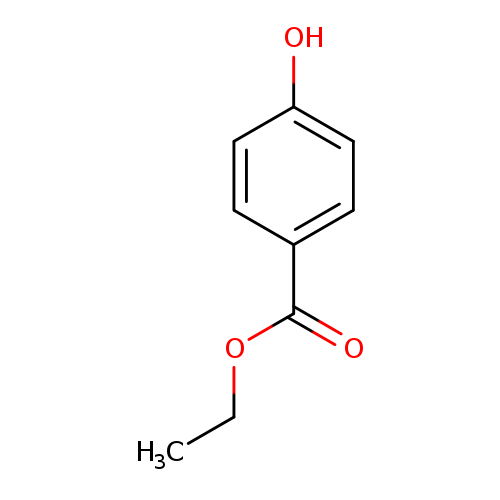
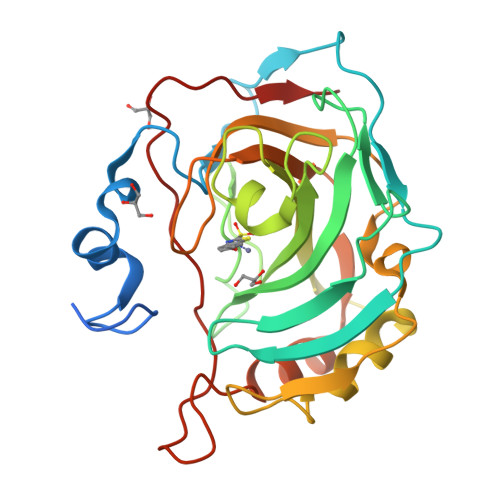
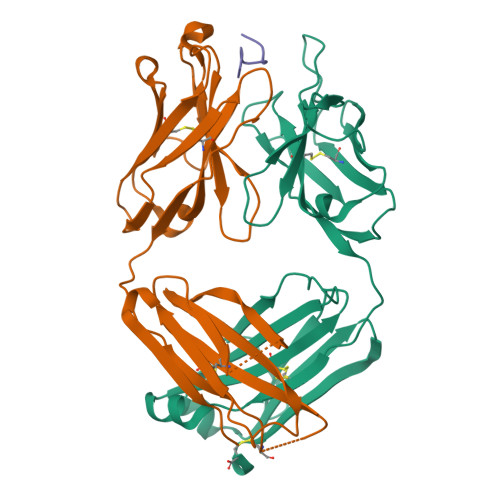
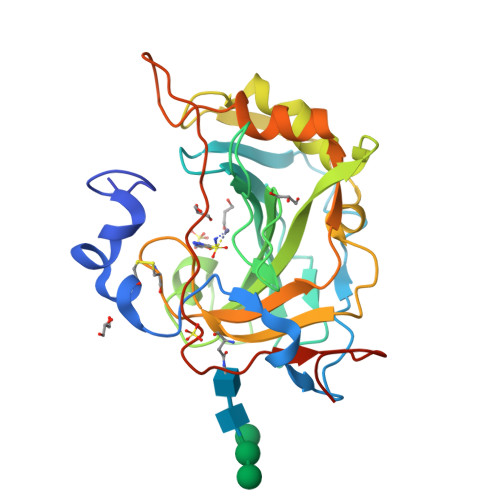
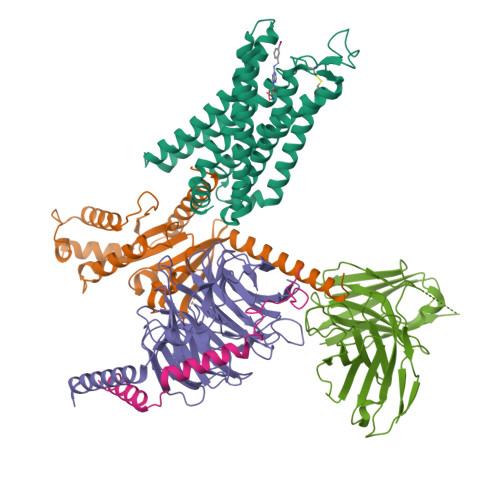
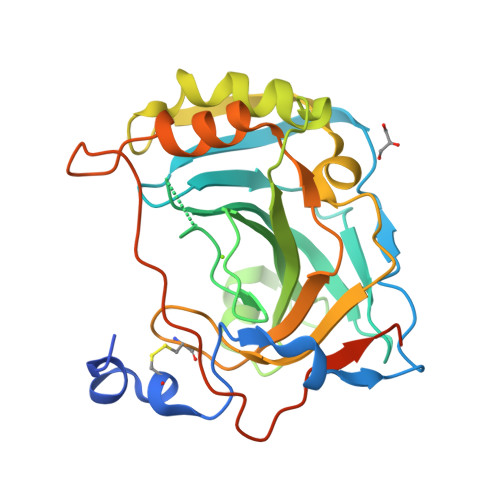
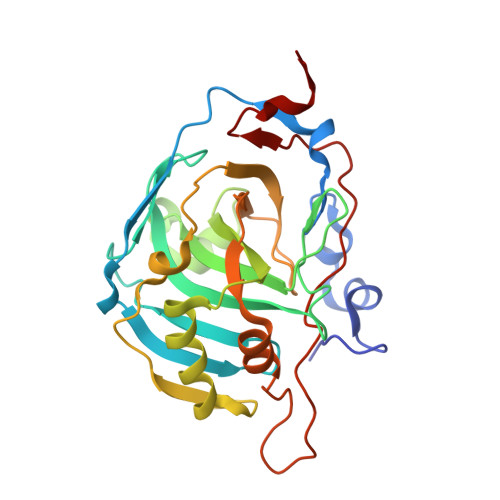
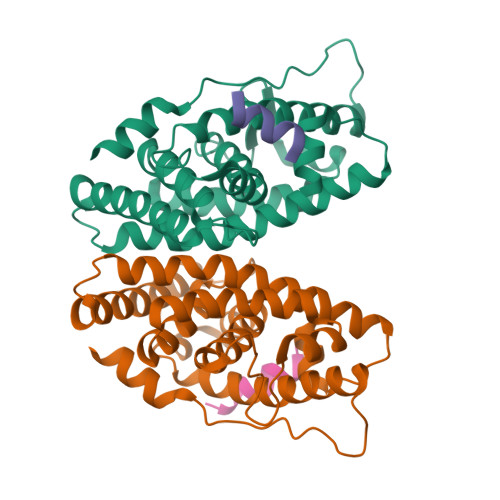
Ethylparaben (C9H10O3) is an exogenous organic compound with an average molecular weight of 166.17 g/mol. It exists as a solid at room temperature. Ethylparaben belongs to the benzoic acids and derivatives, a subclass of benzene and substituted derivatives within the organic compounds. In industrial applications, it is used as a preservative, fragrance, and flavouring and nutrient. The compound is found in or released from 26 recorded sources. These include food, food processing and cookware (such as food preservation, food contact materials, and the preparation of vinegar, wine, sparkling wine, or fermentation processes for beer); household cleaning and consumer products (including perfumes within detergents and soaps, bleaching agents, cigar cigarettes, other smoking requisites, and non electric simulated smoking devices); electrical and electronic equipment (such as electrodes, electric switches, communication cables or conductors, and conductors or conductive bodies characterised by the conductive materials); healthcare, pharmaceuticals and veterinary products (specifically antifungals for dermatological use); drinking water and water supply; and building and construction materials such as roofs. Recorded exposure routes include oral, inhalation, cutaneous, and touch. Ethylparaben has eight recorded protein targets, including the estrogen receptor (ESR1) and carbonic anhydrases 1, 2, and 12. Regarding health effects, the compound is associated with depression (PMC12578804 ) and increases in asthma, hypertension, and inflammation (PMC12424069 ). Additionally, it has been detected in the urine of individuals with prostate cancer (PMC11311772 ). In plastics, results for ethylene-vinyl acetate are inconclusive.
Contaminant Type
  • Ester
  • Ether
  • Food Toxin
  • Household Toxin
  • Industrial/Workplace Toxin
  • Metabolite
  • Organic Compound
  • Preservative
  • Synthetic Compound
Chemical Structure
Synonyms
ValueSource
4-Hydroxybenzoic acid ethyl esterChEBI
e-214ChEBI
e214ChEBI
Ethyl p-hydroxybenzoateChEBI
Ethyl parabenChEBI
Ethyl parahydroxybenzoateChEBI
p-Hydroxybenzoic acid ethyl esterChEBI
p-OxybenzoesaeureaethylesterChEBI
4-Hydroxybenzoate ethyl esterGenerator
Ethyl p-hydroxybenzoic acidGenerator
Ethyl parahydroxybenzoic acidGenerator
p-Hydroxybenzoate ethyl esterGenerator
4-(Ethoxycarbonyl)phenolHMDB
4-CarbethoxyphenolHMDB
Aseptin aHMDB
EaseptolHMDB
Ethyl 4-hydroxybenzoateHMDB
Ethyl butexHMDB
Ethyl chemoseptHMDB
Ethyl p-oxybenzoateHMDB
Ethyl para-hydroxybenzoateHMDB
Ethyl paraseptHMDB
Ethyl-4-hydroxybenzoateHMDB
Ethyl-p-hydroxybenzoateHMDB
Ethylparaben, inn, usanHMDB
KeloformHMDB
Mekkings eHMDB
MycoctenHMDB
Napagin aHMDB
Nipagin aHMDB
Nipazin aHMDB
p-CarbethoxyphenolHMDB
p-Hydroxybenzoic ethyl esterHMDB
Para-hydroxybenzoic acid ethyl esterHMDB
Sobrol aHMDB
Solbrol aHMDB
Tegosept eHMDB
EthylparabenKEGG
Ethyl hydroxybenzoic acidGenerator
Chemical FormulaC9H10O3
Average Molecular Mass166.174 g/mol
Monoisotopic Mass166.063 g/mol
CAS Registry Number120-47-8
IUPAC Nameethyl 4-hydroxybenzoate
Traditional Nameethylparaben
SMILESCCOC(=O)C1=CC=C(O)C=C1
InChI IdentifierInChI=1S/C9H10O3/c1-2-12-9(11)7-3-5-8(10)6-4-7/h3-6,10H,2H2,1H3
InChI KeyNUVBSKCKDOMJSU-UHFFFAOYSA-N
Chemical Taxonomy
Description Belongs to the class of organic compounds known as p-hydroxybenzoic acid alkyl esters. These are aromatic compounds containing a benzoic acid, which is esterified with an alkyl group and para-substituted with a hydroxyl group.
KingdomOrganic compounds
Super ClassBenzenoids
ClassBenzene and substituted derivatives
Sub ClassBenzoic acids and derivatives
Direct Parentp-Hydroxybenzoic acid alkyl esters
Alternative Parents
Substituents
  • P-hydroxybenzoic acid alkyl ester
  • Benzoyl
  • 1-hydroxy-2-unsubstituted benzenoid
  • Phenol
  • Carboxylic acid ester
  • Monocarboxylic acid or derivatives
  • Carboxylic acid derivative
  • Organic oxygen compound
  • Organic oxide
  • Hydrocarbon derivative
  • Organooxygen compound
  • Aromatic homomonocyclic compound
Molecular FrameworkAromatic homomonocyclic compounds
External Descriptors
Biological Properties
StatusDetected and Not Quantified
OriginExogenous
Cellular Locations
  • Cytoplasm
  • Extracellular
  • Membrane
Biofluid LocationsNot Available
Tissue LocationsNot Available
ApplicationsNot Available
Biological Roles
Chemical RolesNot Available
Organoleptic EffectsNot Available
Physical Properties
StateSolid
AppearanceWhite powder.
Experimental Properties
PropertyValue
Melting Point116°C
Boiling PointNot Available
Solubility0.885 mg/mL at 25°C
Predicted Properties
PropertyValueSource
Water Solubility2.49 g/LALOGPS
logP2.76ALOGPS
logP2.03ChemAxon
logS-1.8ALOGPS
pKa (Strongest Acidic)8.5ChemAxon
pKa (Strongest Basic)-6.1ChemAxon
Physiological Charge0ChemAxon
Hydrogen Acceptor Count2ChemAxon
Hydrogen Donor Count1ChemAxon
Polar Surface Area46.53 ŲChemAxon
Rotatable Bond Count3ChemAxon
Refractivity44.81 m³·mol⁻¹ChemAxon
Polarizability17.23 ųChemAxon
Number of Rings1ChemAxon
BioavailabilityYesChemAxon
Rule of FiveYesChemAxon
Ghose FilterYesChemAxon
Veber's RuleNoChemAxon
MDDR-like RuleNoChemAxon
Spectra
Spectra
Spectrum TypeDescriptionSplash KeyDeposition DateView
GC-MSGC-MS Spectrumsplash10-00di-2900000000-489a671c1deb7c34c07bNot AvailableView Spectrum
GC-MSGC-MS Spectrumsplash10-00y0-3900000000-c1ca8c4a3e26621c8959Not AvailableView Spectrum
GC-MSGC-MS Spectrumsplash10-00di-6900000000-6a0e4e400b0c9ced0ae9Not AvailableView Spectrum
GC-MSGC-MS Spectrumsplash10-00di-2900000000-489a671c1deb7c34c07bNot AvailableView Spectrum
GC-MSGC-MS Spectrumsplash10-00y0-3900000000-c1ca8c4a3e26621c8959Not AvailableView Spectrum
GC-MSGC-MS Spectrumsplash10-00di-6900000000-6a0e4e400b0c9ced0ae9Not AvailableView Spectrum
Predicted GC-MSPredicted GC-MS Spectrumsplash10-00di-3900000000-7c9963244828bfd6dc09Not AvailableView Spectrum
Predicted GC-MSPredicted GC-MS Spectrumsplash10-0006-2910000000-520330358fe2a32ba595Not AvailableView Spectrum
Predicted GC-MSPredicted GC-MS SpectrumNot AvailableNot AvailableView Spectrum
LC-MS/MSLC-MS/MS Spectrumsplash10-014i-0900000000-026024910ee96b0887cfNot AvailableView Spectrum
LC-MS/MSLC-MS/MS Spectrumsplash10-014i-0900000000-9a9b6e693b1424978dceNot AvailableView Spectrum
LC-MS/MSLC-MS/MS Spectrumsplash10-000i-0900000000-2e5dbef1d0fad386068fNot AvailableView Spectrum
LC-MS/MSLC-MS/MS Spectrumsplash10-000i-0900000000-59447059cdee325cfc8aNot AvailableView Spectrum
LC-MS/MSLC-MS/MS Spectrumsplash10-014r-0900000000-3eb9e5cfcd05f833bb11Not AvailableView Spectrum
LC-MS/MSLC-MS/MS Spectrumsplash10-014i-0900000000-026024910ee96b0887cfNot AvailableView Spectrum
LC-MS/MSLC-MS/MS Spectrumsplash10-014i-0900000000-9a9b6e693b1424978dceNot AvailableView Spectrum
LC-MS/MSLC-MS/MS Spectrumsplash10-000i-0900000000-2e5dbef1d0fad386068fNot AvailableView Spectrum
LC-MS/MSLC-MS/MS Spectrumsplash10-000i-0900000000-59447059cdee325cfc8aNot AvailableView Spectrum
LC-MS/MSLC-MS/MS Spectrumsplash10-0072-7900000000-2570ac4f0cac9ddf3e64Not AvailableView Spectrum
LC-MS/MSLC-MS/MS Spectrumsplash10-00dj-9800000000-568849783aecc83f7c2eNot AvailableView Spectrum
LC-MS/MSLC-MS/MS Spectrumsplash10-000i-0900000000-5e9f881d152f5b3fa0beNot AvailableView Spectrum
LC-MS/MSLC-MS/MS Spectrumsplash10-000i-0900000000-caa573c6bab6939082d2Not AvailableView Spectrum
LC-MS/MSLC-MS/MS Spectrumsplash10-014r-0900000000-f8e625a2de6fb1fb4c1cNot AvailableView Spectrum
LC-MS/MSLC-MS/MS Spectrumsplash10-0072-7900000000-2570ac4f0cac9ddf3e64Not AvailableView Spectrum
LC-MS/MSLC-MS/MS Spectrumsplash10-014i-0900000000-9a9b6e693b1424978dceNot AvailableView Spectrum
LC-MS/MSLC-MS/MS Spectrumsplash10-000i-0900000000-5489673e4259d112def7Not AvailableView Spectrum
LC-MS/MSLC-MS/MS Spectrumsplash10-014r-1900000000-7731b0038b523b919463Not AvailableView Spectrum
LC-MS/MSLC-MS/MS Spectrumsplash10-000i-0900000000-950b9f22392e1204a713Not AvailableView Spectrum
LC-MS/MSLC-MS/MS Spectrumsplash10-00di-0900000000-69d799bc44ebf0efcc96Not AvailableView Spectrum
LC-MS/MSLC-MS/MS Spectrumsplash10-00di-0900000000-163529e9ff8dd2665de2Not AvailableView Spectrum
LC-MS/MSLC-MS/MS Spectrumsplash10-00dr-0900000000-504583e2716a1ccc011bNot AvailableView Spectrum
LC-MS/MSLC-MS/MS Spectrumsplash10-000i-0900000000-0e54c486f04b4d920408Not AvailableView Spectrum
LC-MS/MSLC-MS/MS Spectrumsplash10-0006-9400000000-f2fc05096f0752c35b85Not AvailableView Spectrum
LC-MS/MSLC-MS/MS Spectrumsplash10-0006-9200000000-301672a18e1b7b1a036bNot AvailableView Spectrum
LC-MS/MSLC-MS/MS Spectrumsplash10-0006-9100000000-b60e34d7d812476e3976Not AvailableView Spectrum
LC-MS/MSLC-MS/MS Spectrumsplash10-000i-0900000000-2e5dbef1d0fad386068fNot AvailableView Spectrum
LC-MS/MSLC-MS/MS Spectrumsplash10-000i-0900000000-3ec54965afa932413a13Not AvailableView Spectrum
LC-MS/MSLC-MS/MS Spectrumsplash10-014r-0900000000-3eb9e5cfcd05f833bb11Not AvailableView Spectrum
LC-MS/MSLC-MS/MS Spectrumsplash10-000i-0900000000-e480d0a7a68cb77985b0Not AvailableView Spectrum
LC-MS/MSLC-MS/MS Spectrumsplash10-014i-0900000000-026024910ee96b0887cfNot AvailableView Spectrum
LC-MS/MSLC-MS/MS Spectrumsplash10-014r-1900000000-8df27c702ca0792480d1Not AvailableView Spectrum
LC-MS/MSLC-MS/MS Spectrumsplash10-000i-0900000000-cd307c726ae81e3a6d1dNot AvailableView Spectrum
LC-MS/MSLC-MS/MS Spectrumsplash10-00dj-9800000000-90272ac8776e2424db3aNot AvailableView Spectrum
LC-MS/MSLC-MS/MS Spectrumsplash10-000l-6900000000-bfaf6c2a0d0819eff8d9Not AvailableView Spectrum
Predicted LC-MS/MSPredicted LC-MS/MS Spectrumsplash10-014i-0900000000-5edabab1a6ee50991a47Not AvailableView Spectrum
Predicted LC-MS/MSPredicted LC-MS/MS Spectrumsplash10-00xr-1900000000-608dc4a8887a0295554fNot AvailableView Spectrum
Predicted LC-MS/MSPredicted LC-MS/MS Spectrumsplash10-00dl-9400000000-ba68420db383fea306c5Not AvailableView Spectrum
Predicted LC-MS/MSPredicted LC-MS/MS Spectrumsplash10-014i-1900000000-3e62aae4552f1c87f2a9Not AvailableView Spectrum
Predicted LC-MS/MSPredicted LC-MS/MS Spectrumsplash10-014i-3900000000-8afb30175a5535ef38edNot AvailableView Spectrum
Predicted LC-MS/MSPredicted LC-MS/MS Spectrumsplash10-00kf-9400000000-48796a631e1530fccfe2Not AvailableView Spectrum
Predicted LC-MS/MSPredicted LC-MS/MS Spectrumsplash10-014i-2900000000-102b012c50b9490d65e5Not AvailableView Spectrum
Predicted LC-MS/MSPredicted LC-MS/MS Spectrumsplash10-0006-8900000000-9ba0afb0767b0bbefce0Not AvailableView Spectrum
Predicted LC-MS/MSPredicted LC-MS/MS Spectrumsplash10-0006-9000000000-6c71c6ab1383e131871cNot AvailableView Spectrum
Predicted LC-MS/MSPredicted LC-MS/MS Spectrumsplash10-00y0-1900000000-7b246d1e30517cce2b89Not AvailableView Spectrum
Predicted LC-MS/MSPredicted LC-MS/MS Spectrumsplash10-00di-5900000000-21b39bc179b5a41420a4Not AvailableView Spectrum
Predicted LC-MS/MSPredicted LC-MS/MS Spectrumsplash10-00xu-9400000000-08d88502ee011485cdb8Not AvailableView Spectrum
MSMS Spectrumsplash10-00di-4900000000-890e881678f1ceddd23eNot AvailableView Spectrum
1D NMR1H NMR Spectrum (1D, D2O, predicted)Not AvailableNot AvailableView Spectrum
1D NMR13C NMR Spectrum (1D, D2O, predicted)Not AvailableNot AvailableView Spectrum
Toxicity Profile
Toxicity Values
Toxicity ValueOrganismDose DescriptorRoute of ExposurePredicted or ExperimentalToxicity RatingReference
2807.0 Log mg/kg [1600:5000]RatLD50oralpredictedNot AvailableNot Available
2000.0 mg/kg-day MouseNOELoralexperimentalNot AvailableECOTOX - EPA ORD
Toxicity / Toxin ClassNot Available
Mechanism of ToxicityNot Available
Carcinogenicity (IARC Classification)No indication of carcinogenicity to humans (not listed by IARC).
Minimum Risk LevelNot Available
SymptomsNot Available
TreatmentNot Available
Health Effects
Health EffectRelationshipDirectionDescriptionReference
hypertensionAssociated With?increaseA disorder characterized by a pathological increase in blood pressure; a repeatedly elevation in the blood pressure exceeding 140 over 90 mm Hg. (NCI CTCAE)PMC12424069
inflammationAssociated With?increaseNot AvailablePMC12424069 , PMC12424069
anemiaAssociated With?Not AvailableA disorder characterized by a reduction in the amount of hemoglobin in 100 ml of blood. Signs and symptoms of anemia may include pallor of the skin and mucous membranes, shortness of breath, palpitations of the heart, soft systolic murmurs, lethargy, and fatigability. (NCI CTCAE)PMC7123643
gestational diabetesAssociated With?increaseA disorder, occurring in pregnant women, characterized by hyperglycemia.PMC12424069
gestational diabetesAssociated With?Not AvailableA disorder, occurring in pregnant women, characterized by hyperglycemia.PMC8021784
asthmaAssociated With?increaseA bronchial disease that is characterized by chronic inflammation and narrowing of the airways, which is caused by a combination of environmental and genetic factors. The disease has symptom recurring periods of wheezing (a whistling sound while breathing), has symptom chest tightness, has symptom shortness of breath, has symptom mucus production and has symptom coughing. The symptoms appear due to a variety of triggers such as allergens, irritants, respiratory infections, weather changes, exercise, stress, reflux disease, medications, foods and emotional anxiety. (DO)PMC12424069
neutropeniaAssociated With?Not AvailableA disorder characterized by an abnormally low level of neutrophils.PMC7123643 , PMC7123643
bleedingAssociated With?Not AvailableA losing of blood as a result of injury oir illness.PMC7123643
Prostate cancerDetected in Urine InNot AvailableA male reproductive organ cancer that is located in the prostate. (DO)PMC11311772
depressionAssociated With?Not AvailableNot AvailablePMC12578804
nauseaAssociated With?Not AvailableA disorder characterized by a queasy sensation and/or the urge to vomit. (NCI CTCAE)PMC12077660
nauseaAssociated With?increaseA disorder characterized by a queasy sensation and/or the urge to vomit. (NCI CTCAE)PMC12077660
thyroid cancerElevated in Urine InincreaseAn endocrine gland cancer located in the thryoid gland located in the neck below the thyroid cartilage. (DO)PMC10541322
diseaseAssociated With?Not AvailableNot AvailablePMC13316213
Toxic encephalopathyAssociated With?Not AvailableNot AvailablePMC12997176
uterine cancerAssociated With?decreaseNot AvailablePMC10541322
Oxidative StressAssociated With?increaseNot AvailablePMC12424069
Chronic DiseaseAssociated With?Not AvailableNot AvailablePMC12424069
depressive disorderAssociated With?Not AvailableNot AvailablePMC4120423
Premature birthAssociated With?decreaseNot AvailablePMC13276631
Premature birthAssociated With?Not AvailableNot AvailablePMC8044871
FertilityAssociated With?decreaseNot AvailablePMC10100123
NeuroinflammationHas Therapeutic Effect OnNot AvailableNot AvailablePMC6542342
Reproductive HealthAssociated With?Not AvailableNot AvailablePMC9890927
Febrile NeutropeniaAssociated With?Not AvailableNot AvailablePMC7123643
Pregnancy OutcomeNot AvailableNot AvailableNot AvailablePMC11046910
dry eye syndromeElevated in Urine InNot AvailableNot AvailablePMC11246752
Exposure Sources
Source IDSourceSectorReference
CEDs000003Irrigation water?Irrigation water can serve as a vector for synthetic chemical contamination due to its potential exposure to agricultural inputs such as fertilizers, pesticides, and herbicides.Agriculture & land managementPMC12656058
CEDs000007Pesticides?Pesticides are synthetic chemicals designed to prevent, destroy, or control pests that threaten crops and agricultural productivity.Agriculture & land managementPMC7182169
CEDs000010Insecticides?Insecticides are synthetic chemicals designed to control or eliminate insect pests that threaten crops and other agricultural products.Agriculture & land managementPubChem
CEDs000013Soil?Soil serves as a critical medium for plant growth and sustains various ecological functions; however, it can become a reservoir for synthetic chemical contamination.Agriculture & land managementPMC12656058 , PMC12656058
CEDs000019Indoor air?Indoor air can be a significant reservoir for synthetic chemical contaminants, which often originate from various sources within enclosed environments.Air, dust & atmospheric transportPMC2677823
CEDs000050Groundwater?Groundwater serves as a vital resource for drinking water and agricultural irrigation but is increasingly susceptible to contamination from synthetic chemicals.Aquatic systems & sedimentsPMC12656058
CEDs000051Surface water?Surface water can serve as a significant vector for the introduction of synthetic chemical contaminants into aquatic ecosystems.Aquatic systems & sedimentsPMC12656058 , PMC12997176
CEDs000115Drinking water?Drinking water can be a medium for synthetic chemical contamination, often originating from various industrial processes and agricultural practices.Drinking water & water supplyPMC12656058 , PMC12997176
CEDs000146Food additives?Food additives are substances added to food products to enhance flavor, appearance, preservation, or nutritional value.Food, food processing & cookwarePMC11511413
CEDs000164Toys?Toys can be a source of synthetic chemical contamination due to the materials and additives used in their production.Household itemsPMC7182169
CEDs000214Toothpaste?Toothpaste often contains a variety of synthetic chemicals that serve specific functions, such as abrasives, foaming agents, and flavoring agents.Personal care & cosmeticsPMC8449543
CEDs000217Sunscreen?Sunscreen products often contain synthetic chemicals such as oxybenzone, octinoxate, and avobenzone, which are used for their UV-filtering properties.Personal care & cosmeticsPMC7182169
CEDs000223Deodorant?Deodorants commonly contain synthetic chemicals, including aluminum compounds, parabens, and synthetic fragrances, which serve various functions such as odor neutralization and skin conditioning.Personal care & cosmeticsPMC8449543 , PMC9628299
CEDs000233Brushes?Brushes used in personal care and cosmetics can be a source of synthetic chemical contamination due to the materials and coatings used in their manufacturing.Personal care & cosmeticsPubChem
CEDs000299Antifungals for dermatological use?Antifungals for dermatological use are synthetic chemicals developed to treat fungal infections affecting the skin, hair, and nails.Healthcare, pharmaceuticals & veterinary productsNot Available
CEDs000490Personal care & cosmeticsNot Available
CEDs000494Food contact materials?Food contact materials refer to substances and products that are intended to come into contact with food during processing, packaging, or preparation.Food, food processing & cookwareNot Available
CEDs000499Roofs?Roofs can be a significant source of synthetic chemical contamination due to the materials used in their construction and maintenance.Building & ConstructionPubChem
CEDs000510Communication Cables Or Conductors?Communication cables or conductors are essential components in the transmission of data and signals in various applications, including telecommunications and networking.Electrical & Electronic EquipmentPubChem
CEDs000511Conductors Or Conductive Bodies Characterised By The Conductive Materials?Conductors, or conductive bodies, are materials that allow the flow of electrical current, typically made from metals such as copper, aluminum, or silver.Electrical & Electronic EquipmentPubChem
CEDs000517Electric Switches?Electric switches, integral components in numerous devices, can be a source of synthetic chemical contamination due to the materials and manufacturing processes involved in their production.Electrical & Electronic EquipmentPubChem
CEDs000518Electrically Stimulated Smoking Devices?Electrically stimulated smoking devices, commonly known as e-cigarettes or vape pens, utilize electrical components to heat a liquid solution, often containing nicotine, flavorings, and other additives, to produce an aerosol for inhalation.Electrical & Electronic EquipmentPubChem
CEDs000519Electrodes?Electrodes, used in various electrical and electronic applications, can be a source of synthetic chemical contamination due to the materials from which they are constructed and the processes involved in their manufacturing.Electrical & Electronic EquipmentPubChem
CEDs000521Fixed Capacitors And Their Manufacture?Fixed capacitors are passive electronic components used to store and release electrical energy, playing a critical role in various circuits.Electrical & Electronic EquipmentPubChem
CEDs000524Hybrid Capacitors?Hybrid capacitors are energy storage devices that combine the properties of electrolytic and supercapacitors, utilizing a combination of electrochemical principles to achieve higher energy density and power density.Electrical & Electronic EquipmentPubChem
CEDs000544Fermentation Processes For Beer?Fermentation processes for beer involve the conversion of sugars into alcohol and carbon dioxide by yeast.Food, food processing & cookwarePubChem
CEDs000545Food Preservation?Food preservation often involves the use of synthetic chemicals, such as preservatives, flavor enhancers, and color additives, to extend shelf life and enhance the sensory qualities of food products.Food, food processing & cookwarePubChem
CEDs000548Preparation Of Vinegar?Vinegar is produced through the fermentation of ethanol by acetic acid bacteria, resulting in a solution that typically contains 4-8% acetic acid.Food, food processing & cookwarePubChem
CEDs000549Preparation Of Wine Or Sparkling Wine?The preparation of wine or sparkling wine involves various stages, including fermentation, aging, and bottling, which can introduce potential sources of synthetic chemical contamination.Food, food processing & cookwarePubChem
CEDs000550Preparation Of Wort?The preparation of wort involves the extraction of sugars from malted grains, a crucial step in the brewing process.Food, food processing & cookwarePubChem
CEDs000552Processing Meats?Processing meats can lead to synthetic chemical contamination primarily through the use of additives and preservatives.Food, food processing & cookwarePubChem
CEDs000555Bleaching Agents?Bleaching agents are chemical substances used to whiten or lighten materials, often employed in various cleaning products for their stain removal and disinfecting properties.Household cleaning & consumer productsPubChem
CEDs000556Cigar Cigarettes?Cigar cigarettes are a source of synthetic chemical contamination due to the combustion of various tobacco blends and additives.Household cleaning & consumer productsPubChem
CEDs000559Non Electric Simulated Smoking Devices?Non-electric simulated smoking devices, often designed to mimic the experience of smoking without combustion, can be sources of synthetic chemical contamination due to the materials and chemicals used in their construction and operation.Household cleaning & consumer productsPubChem
CEDs000560Other Smoking Requisites?Other smoking requisites, including items such as lighters, matches, and rolling papers, can introduce synthetic chemical contamination through various components and additives.Household cleaning & consumer productsPubChem
CEDs000561Perfumes Within Detergents And Soaps?Perfumes within detergents and soaps are synthetic fragrance compounds added to enhance the sensory experience of cleaning products.Household cleaning & consumer productsPubChem
CEDs000563Soap Detergents?Soap detergents are synthetic surfactants designed to enhance the cleaning efficacy of water by reducing surface tension, allowing for better interaction with dirt and grease.Household cleaning & consumer productsPubChem
CEDs000564Soap Dispensers?Soap dispensers, commonly used for dispensing liquid soaps and sanitizers, can become a source of synthetic chemical contamination due to the materials used in their construction and the products they dispense.Household cleaning & consumer productsPubChem
CEDs000566Tobacco Pipes?Tobacco pipes, often made from materials such as plastic, wood, or metal, can serve as sources of synthetic chemical contamination due to the residues left by tobacco products.Household cleaning & consumer productsPubChem
CEDs000569Tobacco Smoke Filters?Tobacco smoke filters are designed to reduce the inhalation of harmful substances in cigarette smoke, including tar and other particulate matter.Household cleaning & consumer productsPubChem
CEDs000578Making Cigars?The process of making cigars involves several steps, including the cultivation of tobacco, fermentation, and the application of various additives to enhance flavor and preservation.Industrial manufacturing & chemical processingPubChem
CEDs000579Manufacture Of Iron Or Steel?The manufacture of iron or steel involves various processes, including smelting, refining, and alloying, which can result in the release of synthetic chemicals and contaminants.Industrial manufacturing & chemical processingPubChem
CEDs000580Manufacture Preparation Of Tobacco Products?The manufacture and preparation of tobacco products involve various processes that can result in the introduction of synthetic chemicals into the environment.Industrial manufacturing & chemical processingPubChem
CEDs000581Paper Making Machines?Paper making machines utilize various synthetic chemicals throughout the production process, including additives, coatings, and bleaching agents.Industrial manufacturing & chemical processingPubChem
CEDs000596Acaricides?Acaricides are synthetic chemicals specifically designed to target and control mite populations that can damage crops and plants.Agriculture & land managementPubChem
CEDs000600Herbicides And Algicides?Herbicides and algicides are synthetic chemicals primarily used to control unwanted plants and algae in various environments.Agriculture & land managementPubChem
CEDs000603Nematocides?Nematocides are synthetic chemicals specifically designed to control nematodes, which are microscopic roundworms that can cause significant damage to crops and plants.Agriculture & land managementPubChem
CEDs000604Pest Attractants?Pest attractants are synthetic chemicals designed to lure specific pests for monitoring or control purposes.Agriculture & land managementPubChem
CEDs000605Pest Repellants?Pest repellents, often formulated from synthetic chemicals, are widely used to protect crops from insect infestations and other pests.Agriculture & land managementPubChem
CEDs000606Plant Growth Regulators?Plant Growth Regulators (PGRs) are synthetic chemicals designed to influence the growth and development of plants.Agriculture & land managementPubChem
CEDs000607Rodenticides(1)?Rodenticides are synthetic chemicals specifically formulated to control rodent populations, serving as a crucial tool in managing pests that can damage crops and spread diseases.Agriculture & land managementPubChem
CEDs000608Rodenticides?Rodenticides are chemical substances specifically designed to control rodent populations by causing death through various mechanisms, including anticoagulation or neurotoxicity.Agriculture & land managementPubChem
CEDs000609Aftershave?Aftershave is a grooming product typically used to soothe and protect the skin following shaving.Personal care & cosmeticsPubChem
CEDs000610Aftersun Products?Aftersun products are designed to soothe and hydrate the skin after sun exposure, often containing various synthetic chemicals such as emollients, preservatives, and fragrances.Personal care & cosmeticsPubChem
CEDs000611Anti Perspirants Or Body Deoderants?Antiperspirants and body deodorants commonly contain synthetic chemicals such as aluminum compounds, parabens, and synthetic fragrances.Personal care & cosmeticsPubChem
CEDs000612Body Washing Or Cleaning Implements?Body washing or cleaning implements, such as synthetic sponges, loofahs, and washcloths, can be sources of synthetic chemical contamination due to the materials used in their production.Personal care & cosmeticsPubChem
CEDs000613Depilatories?Depilatories are products designed to remove unwanted hair through the application of synthetic chemicals that break down the protein structure of hair, facilitating its removal.Personal care & cosmeticsPubChem
CEDs000614Essential Oils Or Perfumes?Essential oils and perfumes are complex mixtures of volatile compounds derived from natural or synthetic sources, commonly used for their aromatic properties.Personal care & cosmeticsPubChem
CEDs000615Eye Makeup Products?Eye makeup products, including mascaras, eyeliners, and eyeshadows, often contain a variety of synthetic chemicals such as pigments, preservatives, and film-forming agents.Personal care & cosmeticsPubChem
CEDs000616Face Mask Cosmetics?Face mask cosmetics often contain a variety of synthetic chemicals, including preservatives, emulsifiers, and fragrances, which can contribute to chemical contamination.Personal care & cosmeticsPubChem
CEDs000617Lip Care Products?Lip care products, including lipsticks, balms, and glosses, often contain a variety of synthetic chemicals such as parabens, phthalates, and synthetic fragrances.Personal care & cosmeticsPubChem
CEDs000618Lip Makeup Products?Lip makeup products, such as lipsticks, lip glosses, and lip liners, often contain a variety of synthetic chemicals, including pigments, preservatives, and emollients.Personal care & cosmeticsPubChem
CEDs000619Manicure Pedicure?Manicure and pedicure procedures often involve the use of various synthetic chemicals, including solvents, nail polishes, and nail adhesives.Personal care & cosmeticsPubChem
CEDs000630Toys?Toys, particularly those made from synthetic materials such as plastics, can be a source of chemical contamination due to the presence of various additives and compounds used in their production.Recreation & sports surfacesPubChem
CEDs000632Apparel?Apparel production often involves the use of various synthetic chemicals, including dyes, finishing agents, and preservatives.Textiles, leather & furnishingsPubChem
CEDs000633Azo Dyes?Azo dyes are synthetic organic compounds characterized by the presence of one or more azo groups (-N=N-), which are widely used for coloring textiles, leather, and furnishings.Textiles, leather & furnishingsPubChem
CEDs000638Decorating Textiles?Decorating textiles often involves the use of synthetic chemicals such as dyes, finishes, and coatings.Textiles, leather & furnishingsPubChem
CEDs000639Degreasing Leather?Degreasing leather involves the removal of natural fats and oils from animal hides to prepare them for tanning and finishing processes.Textiles, leather & furnishingsPubChem
CEDs000642Footwear?Footwear production often involves the use of various synthetic chemicals, such as adhesives, dyes, and treatments, which can contribute to environmental contamination.Textiles, leather & furnishingsPubChem
CEDs000643Headwear?Headwear made from synthetic materials often incorporates chemicals used in the manufacturing and finishing processes, such as dyes, flame retardants, and water repellents.Textiles, leather & furnishingsPubChem
CEDs000650Purses Luggage Hand Bags?Purses, luggage, and handbags are often manufactured using synthetic materials such as polyvinyl chloride (PVC), polyurethane, and various types of nylon.Textiles, leather & furnishingsPubChem
CEDs000657Surface Finishing Of Leather?Surface finishing of leather often involves the use of various synthetic chemicals, including dyes, resins, and finishing agents.Textiles, leather & furnishingsPubChem
CEDs000659Transfer Printing?Transfer printing is a process used to apply designs and patterns onto various substrates, commonly utilizing synthetic dyes and inks that can contain hazardous chemicals.Textiles, leather & furnishingsPubChem
CEDs000662Yarns Or Threads?Yarns or threads used in textiles can be a source of synthetic chemical contamination due to the production processes and treatments they undergo.Textiles, leather & furnishingsPubChem
CEDs000663Sanitary Equipment?Sanitary equipment, including toilets, sinks, and drainage systems, can serve as conduits for synthetic chemical contamination.Wastewater, sanitation & biosolidsPubChem
CEDs000664Fire Fighting Gels?Fire fighting gels are synthetic chemical formulations designed to enhance fire suppression effectiveness by creating a protective barrier against heat and flames.Fire suppression systems & agentsPubChem
CEDs000665Fire Extinguishers?Fire extinguishers contain various synthetic chemicals designed to suppress flames and prevent the spread of fire.Fire suppression systems & agentsPubChem
CEDs000668Non-PFAS Fire Fighting Foam?Non-PFAS fire fighting foam refers to fire suppression agents that do not contain per- and polyfluoroalkyl substances (PFAS), which are synthetic chemicals known for their water- and grease-resistant properties.Fire suppression systems & agentsPubChem
CEDs000669PFAS Fire Fighting Foam?PFAS fire fighting foam refers to a class of synthetic foams containing per- and polyfluoroalkyl substances (PFAS), which are designed to suppress flammable liquid fires.Fire suppression systems & agentsPubChem
CEDs000678Nitrogenous Fertilisers?Nitrogenous fertilizers are synthetic chemical compounds primarily used to enhance plant growth by supplying essential nitrogen, a crucial nutrient for photosynthesis and protein synthesis.Agriculture & land managementPubChem
CEDs000679Phosphatic Fertilisers?Phosphatic fertilizers are synthetic chemical products primarily composed of phosphorus, which is essential for plant growth.Agriculture & land managementPubChem
CEDs000684Cements?Cements are a composite material primarily used as a binding agent in construction applications, formed by the calcination of limestone and clay minerals at high temperatures.Building & ConstructionPubChem
CEDs000685Ceramics?Ceramics can be a source of synthetic chemical contamination through various additives and processing agents used in their production.Building & ConstructionPubChem
CEDs000688Glass Coatings?Glass coatings are synthetic chemical formulations applied to glass surfaces to enhance properties such as durability, UV resistance, and aesthetic appeal.Building & ConstructionPubChem
CEDs000692Silica Free Oxide Glass?Silica Free Oxide Glass is a type of glass that is produced using alternative materials to traditional silica-based formulations.Building & ConstructionPubChem
CEDs000693Silica Glass?Silica glass, primarily composed of silicon dioxide (SiO2), is widely used in various applications, including windows, glass facades, and insulation materials.Building & ConstructionPubChem
CEDs000696Nanotechnology?Nanotechnology involves the manipulation of materials at the molecular or atomic level, typically within the range of 1 to 100 nanometers.Industrial manufacturing & chemical processingPubChem
CEDs000698Jewellery?Jewellery production often involves the use of various synthetic chemicals during the extraction and processing of metals.Mining & metal processingPubChem
CEDs000717Fountain Pens?Fountain pens utilize a liquid ink that often contains synthetic chemicals, including dyes, pigments, and solvents, which can contribute to environmental contamination.Paper, pulp & fiber productsPubChem
CEDs000720Ink Reservoir Pens2?Ink reservoir pens are writing instruments that utilize a reservoir to store ink, which is often composed of synthetic dyes, solvents, and additives.Paper, pulp & fiber productsPubChem
CEDs000726Pens?Pens, commonly utilized for writing and marking, can be a source of synthetic chemical contamination primarily due to the materials used in their manufacturing.Paper, pulp & fiber productsPubChem
CEDs000727Printing Machines Or Presses?Printing machines or presses commonly utilize synthetic chemicals such as inks, solvents, and cleaning agents.Paper, pulp & fiber productsPubChem
CEDs000734Coating Compositions?Coating compositions, which include paints, sealants, and varnishes, are formulated with a variety of synthetic chemicals such as solvents, resins, pigments, and additives.Building & ConstructionPubChem
CEDs000735Explosives?Explosives are chemical compounds or mixtures designed to undergo rapid decomposition, releasing energy in the form of gas and heat.Defense & military infrastructurePubChem
CEDs000739Inks?Inks are complex mixtures composed of pigments or dyes, solvents, resins, and additives used primarily for printing and writing applications.Paper, pulp & fiber productsPubChem
CEDs000740Paper?Paper production involves the processing of wood fibers and the use of various chemicals, which can lead to synthetic chemical contamination.Paper, pulp & fiber productsPubChem
CEDs000741Pigment Pastes?Pigment pastes are concentrated dispersions of pigments used to impart color and properties to materials.Paper, pulp & fiber productsPubChem
CEDs000742Leather Tanning?Leather tanning is a process that transforms raw animal hides into durable leather through the application of various chemicals, including chromium salts, aldehydes, and vegetable tannins.Textiles, leather & furnishingsPubChem
CEDs000743Sludge Treatment?Sludge treatment involves the processing of waste materials generated from wastewater treatment plants, which often contain a variety of organic and inorganic substances.Wastewater, sanitation & biosolidsPubChem
CEDs000744Water, Wastewater, & Sewage Treatment?Water, wastewater, and sewage treatment processes are critical for managing and mitigating pollutants in water systems.Wastewater, sanitation & biosolidsPubChem
CEDs01082PharmaceuticalsHealthcare, pharmaceuticals & veterinary productsPMC12262489
CEDs01083PharmaceuticalHealthcare, pharmaceuticals & veterinary productsPMC4713456
CEDs01090Pharmaceutical ProductsHealthcare, pharmaceuticals & veterinary productsPMC12605038
CEDs01102Pharmaceutical PreparationsHealthcare, pharmaceuticals & veterinary productsPMC3955696
CEDs01144FoodFood, food processing & cookwarePMC12605038
CEDs01148MilkFood, food processing & cookwarePMC4441603
CEDs01168Food ProductsFood, food processing & cookwarePMC4713456
CEDs01528Food StuffFood, food processing & cookwarePMC8044871
CEDs01845Storage ContainersPackagingPMC10965365
CEDs01886PlasticIndustrial manufacturing & chemical processingPMC6661842
CEDs01902Plastic ProductsIndustrial manufacturing & chemical processingPMC13388309
CEDs02255WaterAquatic systems & sedimentsPMC6661842 , PMC6661842
CEDs02264SedimentAquatic systems & sedimentsPMC13434690 , PMC13434690
CEDs02265River WaterAquatic systems & sedimentsPMC13434690
CEDs02268Water SamplesAquatic systems & sedimentsPMC6930536
CEDs02276Aquatic EnvironmentAquatic systems & sedimentsPMC13434690 , PMC13434690
CEDs02330River SedimentsAquatic systems & sedimentsPMC13434690
CEDs02340Water BodyAquatic systems & sedimentsPMC9561337
CEDs02590DustAir, dust & atmospheric transportPMC6290264
CEDs02593House DustAir, dust & atmospheric transportPMC2677823
CEDs02625Dust SamplesAir, dust & atmospheric transportPMC7856225
CEDs02845CosmeticsPersonal care & cosmeticsPMC8750995 , PMC12605038
CEDs02847Personal Care ProductsPersonal care & cosmeticsPMC11791042 , PMC3955696
CEDs02848LotionPersonal care & cosmeticsPMC11993330 , PMC11993330
CEDs02855Cosmetic ProductPersonal care & cosmeticsPMC6661842 , PMC11182354
CEDs02862ShampoosPersonal care & cosmeticsPMC9628299
CEDs02863Body LotionsPersonal care & cosmeticsPMC9628299
CEDs02865Personal CarePersonal care & cosmeticsPMC13388309 , PMC4713456
CEDs02880MakeupPersonal care & cosmeticsPMC9628299
CEDs02883Cosmetic SamplesPersonal care & cosmeticsPMC7700590 , PMC7700590
CEDs03009Waste WaterWastewater, sanitation & biosolidsPMC13434690 , PMC13434690
CEDs03012Wastewater EffluentsWastewater, sanitation & biosolidsPMC12997176
CEDs03017SludgeWastewater, sanitation & biosolidsPMC12656058
CEDs03021Wastewater Treatment PlantWastewater, sanitation & biosolidsPMC13434690
CEDs03043WWTPsWastewater, sanitation & biosolidsPMC8718386
CEDs03169Consumer ProductsHousehold cleaning & consumer productsPMC4977060
CEDs03197Bar SoapHousehold cleaning & consumer productsPMC8449543 , PMC8449543
CEDs03203TextileTextiles, leather & furnishingsPMC13388309
Pathways
0 pathwaysPathway Source: PathBank

No pathways found

No metabolic pathways have been associated with this synthetic chemical

Targets
StructureProteinUniProt IDOrganismRelationshipDetails
Estrogen receptor beta structureClick to view 3D structureEstrogen receptor betaQ92731HumansPredicted (SEA)
Prediction Confidence Score
0.506
Applicability Domain
1.0
Statistical Significance
3.30e-04
Supporting Reference Compounds
174
E-value
2.56902
Carbonic anhydrase 2 structureClick to view 3D structureCarbonic anhydrase 2P00918HumansPredicted (SEA)
Prediction Confidence Score
0.498
Applicability Domain
1.0
Statistical Significance
0.0017
Supporting Reference Compounds
472
E-value
12.923
Carbonic anhydrase 12 structureClick to view 3D structureCarbonic anhydrase 12O43570HumansPredicted (SEA)
Prediction Confidence Score
0.498
Applicability Domain
1.0
Statistical Significance
0.0011
Supporting Reference Compounds
332
E-value
8.25202
Carbonic anhydrase 7 structureClick to view 3D structureCarbonic anhydrase 7P43166HumansPredicted (SEA)
Prediction Confidence Score
0.493
Applicability Domain
1.0
Statistical Significance
8.60e-04
Supporting Reference Compounds
242
E-value
6.69503
Carbonic anhydrase 1 structureClick to view 3D structureCarbonic anhydrase 1P00915HumansPredicted (SEA)
Prediction Confidence Score
0.492
Applicability Domain
1.0
Statistical Significance
0.0015
Supporting Reference Compounds
407
E-value
11.9109
Carbonic anhydrase 9 structureClick to view 3D structureCarbonic anhydrase 9Q16790HumansPredicted (SEA)
Prediction Confidence Score
0.49
Applicability Domain
1.0
Statistical Significance
0.0014
Supporting Reference Compounds
372
E-value
10.7432
Carbonic anhydrase 14 structureClick to view 3D structureCarbonic anhydrase 14Q9ULX7HumansPredicted (SEA)
Prediction Confidence Score
0.49
Applicability Domain
1.0
Statistical Significance
5.40e-04
Supporting Reference Compounds
172
E-value
4.20386
Protein RecA structureClick to view 3D structureProtein RecAP9WHJ3Mycobacterium tuberculosisPredicted (SEA)
Prediction Confidence Score
0.389
Applicability Domain
0.444
Statistical Significance
7.70e-04
Supporting Reference Compounds
296
E-value
5.99439
Succinate-semialdehyde dehydrogenase, mitochondrial structureClick to view 3D structureSuccinate-semialdehyde dehydrogenase, mitochondrialP51649HumansPredicted (SEA)
Prediction Confidence Score
0.387
Applicability Domain
0.387
Statistical Significance
6.00e-05
Supporting Reference Compounds
1
E-value
0.467095
Estrogen receptor structureClick to view 3D structureEstrogen receptorP03372HumansPredicted (SEA)
Prediction Confidence Score
0.379
Applicability Domain
0.464
Statistical Significance
0.0038
Supporting Reference Compounds
201
E-value
29.3492
Sentrin-specific protease 7 structureClick to view 3D structureSentrin-specific protease 7Q9BQF6HumansPredicted (SEA)
Prediction Confidence Score
0.364
Applicability Domain
0.528
Statistical Significance
0.0012
Supporting Reference Compounds
118
E-value
9.73115
Click to view 3D structureStreptokinase AP10520Streptococcus pyogenes serotype M1Predicted (SEA)
Prediction Confidence Score
0.362
Applicability Domain
0.432
Statistical Significance
0.0038
Supporting Reference Compounds
425
E-value
29.7384
Click to view 3D structureAquaporin-9Q9JJJ3Mus musculusPredicted (SEA)
Prediction Confidence Score
0.358
Applicability Domain
0.358
Statistical Significance
3.80e-04
Supporting Reference Compounds
1
E-value
2.95827
Click to view 3D structureAquaporin-3Q8R2N1Mus musculusPredicted (SEA)
Prediction Confidence Score
0.358
Applicability Domain
0.358
Statistical Significance
3.80e-04
Supporting Reference Compounds
1
E-value
2.95827
Click to view 3D structureDNA damage-inducible transcript 3 proteinP35639Mus musculusPredicted (SEA)
Prediction Confidence Score
0.355
Applicability Domain
0.419
Statistical Significance
8.40e-04
Supporting Reference Compounds
226
E-value
6.53933
X-box-binding protein 1 structureClick to view 3D structureX-box-binding protein 1P17861HumansPredicted (SEA)
Prediction Confidence Score
0.355
Applicability Domain
0.419
Statistical Significance
8.40e-04
Supporting Reference Compounds
227
E-value
6.53933
Adenosine receptor A3 structureClick to view 3D structureAdenosine receptor A3P0DMS8HumansPredicted (SEA)
Prediction Confidence Score
0.349
Applicability Domain
0.464
Statistical Significance
0.0122
Supporting Reference Compounds
391
E-value
95.2096
Muscarinic acetylcholine receptor M3 structureClick to view 3D structureMuscarinic acetylcholine receptor M3P20309HumansPredicted (SEA)
Prediction Confidence Score
0.349
Applicability Domain
0.464
Statistical Significance
0.0059
Supporting Reference Compounds
310
E-value
45.6196
Click to view 3D structureSentrin-specific protease 6Q9GZR1HumansPredicted (SEA)
Prediction Confidence Score
0.349
Applicability Domain
0.444
Statistical Significance
3.90e-04
Supporting Reference Compounds
93
E-value
3.03612
Induced myeloid leukemia cell differentiation protein Mcl-1 structureClick to view 3D structureInduced myeloid leukemia cell differentiation protein Mcl-1Q07820HumansPredicted (SEA)
Prediction Confidence Score
0.349
Applicability Domain
0.417
Statistical Significance
0.007
Supporting Reference Compounds
343
E-value
54.728
Muscarinic acetylcholine receptor M1 structureClick to view 3D structureMuscarinic acetylcholine receptor M1P11229HumansPredicted (SEA)
Prediction Confidence Score
0.346
Applicability Domain
0.464
Statistical Significance
0.0094
Supporting Reference Compounds
385
E-value
73.5675
Carbonic anhydrase 6 structureClick to view 3D structureCarbonic anhydrase 6P23280HumansPredicted (SEA)
Prediction Confidence Score
0.346
Applicability Domain
0.444
Statistical Significance
0.0047
Supporting Reference Compounds
151
E-value
36.4334
Vascular endothelial growth factor receptor 2 structureClick to view 3D structureVascular endothelial growth factor receptor 2P35968HumansPredicted (SEA)
Prediction Confidence Score
0.344
Applicability Domain
0.385
Statistical Significance
0.0686
Supporting Reference Compounds
1660
E-value
533.734
Carbonic anhydrase 3 structureClick to view 3D structureCarbonic anhydrase 3P07451HumansPredicted (SEA)
Prediction Confidence Score
0.343
Applicability Domain
0.444
Statistical Significance
0.0015
Supporting Reference Compounds
64
E-value
11.9109
Estrogen-related receptor gamma structureClick to view 3D structureEstrogen-related receptor gammaP62508HumansPredicted (SEA)
Prediction Confidence Score
0.343
Applicability Domain
0.464
Statistical Significance
4.70e-04
Supporting Reference Compounds
18
E-value
3.65891
Estrogen receptor structureClick to view 3D structureEstrogen receptorP03372HumansKnownNot Available
Carbonic anhydrase 1 structureClick to view 3D structureCarbonic anhydrase 1P00915HumansKnownNot Available
Carbonic anhydrase 12 structureClick to view 3D structureCarbonic anhydrase 12O43570HumansKnownNot Available
Carbonic anhydrase 14 structureClick to view 3D structureCarbonic anhydrase 14Q9ULX7HumansKnownNot Available
Carbonic anhydrase 2 structureClick to view 3D structureCarbonic anhydrase 2P00918HumansKnownNot Available
Carbonic anhydrase 7 structureClick to view 3D structureCarbonic anhydrase 7P43166HumansKnownNot Available
Carbonic anhydrase 9 structureClick to view 3D structureCarbonic anhydrase 9Q16790HumansKnownNot Available
Estrogen receptor beta structureClick to view 3D structureEstrogen receptor betaQ92731HumansKnownNot Available
Concentrations
Not Available
External Links
DrugBank IDDB13628
HMDB IDHMDB0032573
FooDB IDFDB020182
Phenol Explorer IDNot Available
KNApSAcK IDC00033837
BiGG IDNot Available
BioCyc IDNot Available
METLIN IDNot Available
PDB IDNot Available
Wikipedia LinkEthylparaben
Chemspider ID13846749
ChEBI ID31575
PubChem Compound ID8434
Kegg Compound IDNot Available
YMDB IDYMDB01688
ECMDB IDNot Available
References
Synthesis ReferenceNot Available
MSDSNot Available
General References
  1. Yannai, Shmuel. (2004) Dictionary of food compounds with CD-ROM: Additives, flavors, and ingredients. Boca Raton: Chapman & Hall/CRC.