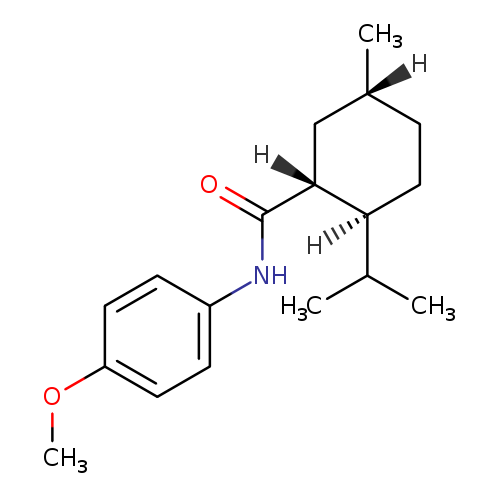
(1R,2S,5R)-N-(4-METHOXYPHENYL)-5-METHYL-2-(1-METHYLETHYL)CYCLOHEXANECARBOXAMIDE (CED0052233)

Record Information
Version1.0
Creation Date2016-05-19 02:25:33 UTC
Update Date2026-08-20 01:14:19 UTC
SynCED IDCED0052233
Secondary Accession Numbers
  • CHEM007431
Identification
Common Name(1R,2S,5R)-N-(4-METHOXYPHENYL)-5-METHYL-2-(1-METHYLETHYL)CYCLOHEXANECARBOXAMIDE
ClassSmall Molecule
Description
(1R,2S,5R)-N-(4-METHOXYPHENYL)-5-METHYL-2-(1-METHYLETHYL)CYCLOHEXANECARBOXAMIDE belongs to the monoterpenoids, a subclass of prenol lipids within the organic compounds. This compound has the chemical formula C18H27NO2 and an average molecular weight of 289.42 g/mol. In industrial applications, the substance is used as a fragrance, as well as a flavouring and nutrient. It is recorded as being found in or released from eight different sources. These include electrical and electronic equipment, specifically microphones, electric hearing aids, auxiliary devices, and antennas. Additionally, it is found in household cleaning and consumer products, including tobacco product cases, pipe accessories, other smoking requisites, and tobacco product moisture control. Regarding its biological activity, it is a recorded activator of the protein target Transient receptor potential cation channel subfamily M member 8 (TRPM8).
Contaminant TypeNot Available
Chemical Structure
SynonymsNot Available
Chemical FormulaC18H27NO2
Average Molecular Mass289.419 g/mol
Monoisotopic Mass289.204 g/mol
CAS Registry Number68489-09-8
IUPAC Name(1R,2S,5R)-N-(4-methoxyphenyl)-5-methyl-2-(propan-2-yl)cyclohexane-1-carboxamide
Traditional Name(1R,2S,5R)-2-isopropyl-N-(4-methoxyphenyl)-5-methylcyclohexane-1-carboxamide
SMILES[H][C@@]1(C)CC[C@@]([H])(C(C)C)[C@@]([H])(C1)C(=O)NC1=CC=C(OC)C=C1
InChI IdentifierInChI=1S/C18H27NO2/c1-12(2)16-10-5-13(3)11-17(16)18(20)19-14-6-8-15(21-4)9-7-14/h6-9,12-13,16-17H,5,10-11H2,1-4H3,(H,19,20)/t13-,16+,17-/m1/s1
InChI KeyHNSGVPAAXJJOPQ-XOKHGSTOSA-N
Chemical Taxonomy
Description Belongs to the class of organic compounds known as aromatic monoterpenoids. These are monoterpenoids containing at least one aromatic ring.
KingdomOrganic compounds
Super ClassLipids and lipid-like molecules
ClassPrenol lipids
Sub ClassMonoterpenoids
Direct ParentAromatic monoterpenoids
Alternative Parents
Substituents
  • Aromatic monoterpenoid
  • Monocyclic monoterpenoid
  • P-menthane monoterpenoid
  • Methoxyaniline
  • Anilide
  • Phenoxy compound
  • Anisole
  • Methoxybenzene
  • N-arylamide
  • Phenol ether
  • Alkyl aryl ether
  • Monocyclic benzene moiety
  • Benzenoid
  • Carboxamide group
  • Secondary carboxylic acid amide
  • Ether
  • Carboxylic acid derivative
  • Organonitrogen compound
  • Hydrocarbon derivative
  • Organic nitrogen compound
  • Carbonyl group
  • Organic oxide
  • Organopnictogen compound
  • Organooxygen compound
  • Organic oxygen compound
  • Aromatic homomonocyclic compound
Molecular FrameworkAromatic homomonocyclic compounds
External DescriptorsNot Available
Biological Properties
StatusDetected and Not Quantified
OriginNot Available
Cellular LocationsNot Available
Biofluid LocationsNot Available
Tissue LocationsNot Available
ApplicationsNot Available
Biological Roles
Chemical RolesNot Available
Organoleptic EffectsNot Available
Physical Properties
StateNot Available
AppearanceNot Available
Experimental Properties
PropertyValue
Melting PointNot Available
Boiling PointNot Available
SolubilityNot Available
Predicted Properties
PropertyValueSource
Water Solubility0.0064 g/LALOGPS
logP4.68ALOGPS
logP4.47ChemAxon
logS-4.7ALOGPS
pKa (Strongest Acidic)14.59ChemAxon
pKa (Strongest Basic)-1.8ChemAxon
Physiological Charge0ChemAxon
Hydrogen Acceptor Count2ChemAxon
Hydrogen Donor Count1ChemAxon
Polar Surface Area38.33 ŲChemAxon
Rotatable Bond Count4ChemAxon
Refractivity86.83 m³·mol⁻¹ChemAxon
Polarizability34.39 ųChemAxon
Number of Rings2ChemAxon
BioavailabilityYesChemAxon
Rule of FiveYesChemAxon
Ghose FilterYesChemAxon
Veber's RuleYesChemAxon
MDDR-like RuleNoChemAxon
Spectra
Spectra
Spectrum TypeDescriptionSplash KeyDeposition DateView
Predicted LC-MS/MSPredicted LC-MS/MS Spectrumsplash10-0006-0390000000-776a685449896b89591bNot AvailableView Spectrum
Predicted LC-MS/MSPredicted LC-MS/MS Spectrumsplash10-014l-2950000000-1a062aaf0f31eb07b218Not AvailableView Spectrum
Predicted LC-MS/MSPredicted LC-MS/MS Spectrumsplash10-067i-9600000000-eeb491a4d7584c2409f7Not AvailableView Spectrum
Predicted LC-MS/MSPredicted LC-MS/MS Spectrumsplash10-000i-0190000000-6827084f969041438252Not AvailableView Spectrum
Predicted LC-MS/MSPredicted LC-MS/MS Spectrumsplash10-000i-0590000000-5ef1ff89b167849593c8Not AvailableView Spectrum
Predicted LC-MS/MSPredicted LC-MS/MS Spectrumsplash10-05fr-2900000000-821728029df60abc5486Not AvailableView Spectrum
Toxicity Profile
Toxicity Values
Toxicity ValueOrganismDose DescriptorRoute of ExposurePredicted or ExperimentalToxicity RatingReference
1542.0 Log mg/kg [870:2700]RatLD50oralpredictedNot AvailableNot Available
Toxicity / Toxin ClassNot Available
Mechanism of ToxicityNot Available
Carcinogenicity (IARC Classification)Not Available
Minimum Risk LevelNot Available
SymptomsNot Available
TreatmentNot Available
Health Effects
Health EffectRelationshipDirectionDescriptionReference
dry eye syndromeNot AvailableNot AvailableNot AvailablePMC13397993
Exposure Sources
Source IDSourceSectorReference
CEDs000010Insecticides?Insecticides are synthetic chemicals designed to control or eliminate insect pests that threaten crops and other agricultural products.Agriculture & land managementPubChem
CEDs000233Brushes?Brushes used in personal care and cosmetics can be a source of synthetic chemical contamination due to the materials and coatings used in their manufacturing.Personal care & cosmeticsPubChem
CEDs000506Antennas?Antennas, commonly used in communication technologies, can be a source of synthetic chemical contamination through the materials and coatings used in their construction.Electrical & Electronic EquipmentPubChem
CEDs000507Auxiliary Devices?Auxiliary devices, such as capacitors, transformers, and circuit breakers, are integral components in various electronic systems.Electrical & Electronic EquipmentPubChem
CEDs000516Electric Hearing Aids?Electric hearing aids are small electronic devices designed to amplify sound for individuals with hearing loss.Electrical & Electronic EquipmentPubChem
CEDs000518Electrically Stimulated Smoking Devices?Electrically stimulated smoking devices, commonly known as e-cigarettes or vape pens, utilize electrical components to heat a liquid solution, often containing nicotine, flavorings, and other additives, to produce an aerosol for inhalation.Electrical & Electronic EquipmentPubChem
CEDs000519Electrodes?Electrodes, used in various electrical and electronic applications, can be a source of synthetic chemical contamination due to the materials from which they are constructed and the processes involved in their manufacturing.Electrical & Electronic EquipmentPubChem
CEDs000524Hybrid Capacitors?Hybrid capacitors are energy storage devices that combine the properties of electrolytic and supercapacitors, utilizing a combination of electrochemical principles to achieve higher energy density and power density.Electrical & Electronic EquipmentPubChem
CEDs000528Microphones?Microphones, as components in various electronic devices, can be sources of synthetic chemical contamination due to the materials used in their construction.Electrical & Electronic EquipmentPubChem
CEDs000545Food Preservation?Food preservation often involves the use of synthetic chemicals, such as preservatives, flavor enhancers, and color additives, to extend shelf life and enhance the sensory qualities of food products.Food, food processing & cookwarePubChem
CEDs000549Preparation Of Wine Or Sparkling Wine?The preparation of wine or sparkling wine involves various stages, including fermentation, aging, and bottling, which can introduce potential sources of synthetic chemical contamination.Food, food processing & cookwarePubChem
CEDs000556Cigar Cigarettes?Cigar cigarettes are a source of synthetic chemical contamination due to the combustion of various tobacco blends and additives.Household cleaning & consumer productsPubChem
CEDs000559Non Electric Simulated Smoking Devices?Non-electric simulated smoking devices, often designed to mimic the experience of smoking without combustion, can be sources of synthetic chemical contamination due to the materials and chemicals used in their construction and operation.Household cleaning & consumer productsPubChem
CEDs000560Other Smoking Requisites?Other smoking requisites, including items such as lighters, matches, and rolling papers, can introduce synthetic chemical contamination through various components and additives.Household cleaning & consumer productsPubChem
CEDs000561Perfumes Within Detergents And Soaps?Perfumes within detergents and soaps are synthetic fragrance compounds added to enhance the sensory experience of cleaning products.Household cleaning & consumer productsPubChem
CEDs000562Pipe Accessories?Pipe accessories, such as fittings, connectors, and seals, are components used in plumbing systems to facilitate the flow of liquids and gases.Household cleaning & consumer productsPubChem
CEDs000563Soap Detergents?Soap detergents are synthetic surfactants designed to enhance the cleaning efficacy of water by reducing surface tension, allowing for better interaction with dirt and grease.Household cleaning & consumer productsPubChem
CEDs000567Tobacco Product Cases?Tobacco product cases can serve as a source of synthetic chemical contamination due to the presence of various additives and chemicals used in tobacco processing and product manufacturing.Household cleaning & consumer productsPubChem
CEDs000568Tobacco Product Moisture Control?Tobacco product moisture control involves the use of synthetic chemicals to manage the humidity levels in tobacco products, aiming to preserve flavor and extend shelf life.Household cleaning & consumer productsPubChem
CEDs000569Tobacco Smoke Filters?Tobacco smoke filters are designed to reduce the inhalation of harmful substances in cigarette smoke, including tar and other particulate matter.Household cleaning & consumer productsPubChem
CEDs000578Making Cigars?The process of making cigars involves several steps, including the cultivation of tobacco, fermentation, and the application of various additives to enhance flavor and preservation.Industrial manufacturing & chemical processingPubChem
CEDs000580Manufacture Preparation Of Tobacco Products?The manufacture and preparation of tobacco products involve various processes that can result in the introduction of synthetic chemicals into the environment.Industrial manufacturing & chemical processingPubChem
CEDs000581Paper Making Machines?Paper making machines utilize various synthetic chemicals throughout the production process, including additives, coatings, and bleaching agents.Industrial manufacturing & chemical processingPubChem
CEDs000605Pest Repellants?Pest repellents, often formulated from synthetic chemicals, are widely used to protect crops from insect infestations and other pests.Agriculture & land managementPubChem
CEDs000609Aftershave?Aftershave is a grooming product typically used to soothe and protect the skin following shaving.Personal care & cosmeticsPubChem
CEDs000610Aftersun Products?Aftersun products are designed to soothe and hydrate the skin after sun exposure, often containing various synthetic chemicals such as emollients, preservatives, and fragrances.Personal care & cosmeticsPubChem
CEDs000611Anti Perspirants Or Body Deoderants?Antiperspirants and body deodorants commonly contain synthetic chemicals such as aluminum compounds, parabens, and synthetic fragrances.Personal care & cosmeticsPubChem
CEDs000613Depilatories?Depilatories are products designed to remove unwanted hair through the application of synthetic chemicals that break down the protein structure of hair, facilitating its removal.Personal care & cosmeticsPubChem
CEDs000614Essential Oils Or Perfumes?Essential oils and perfumes are complex mixtures of volatile compounds derived from natural or synthetic sources, commonly used for their aromatic properties.Personal care & cosmeticsPubChem
CEDs000615Eye Makeup Products?Eye makeup products, including mascaras, eyeliners, and eyeshadows, often contain a variety of synthetic chemicals such as pigments, preservatives, and film-forming agents.Personal care & cosmeticsPubChem
CEDs000617Lip Care Products?Lip care products, including lipsticks, balms, and glosses, often contain a variety of synthetic chemicals such as parabens, phthalates, and synthetic fragrances.Personal care & cosmeticsPubChem
CEDs000618Lip Makeup Products?Lip makeup products, such as lipsticks, lip glosses, and lip liners, often contain a variety of synthetic chemicals, including pigments, preservatives, and emollients.Personal care & cosmeticsPubChem
CEDs000650Purses Luggage Hand Bags?Purses, luggage, and handbags are often manufactured using synthetic materials such as polyvinyl chloride (PVC), polyurethane, and various types of nylon.Textiles, leather & furnishingsPubChem
CEDs000693Silica Glass?Silica glass, primarily composed of silicon dioxide (SiO2), is widely used in various applications, including windows, glass facades, and insulation materials.Building & ConstructionPubChem
CEDs000730Contact Lens Cases?Contact lens cases are small containers designed to store contact lenses in a sterile environment, typically made from various synthetic materials including plastics such as polypropylene or polycarbonate.Healthcare, pharmaceuticals & veterinary productsPubChem
CEDs000740Paper?Paper production involves the processing of wood fibers and the use of various chemicals, which can lead to synthetic chemical contamination.Paper, pulp & fiber productsPubChem
Pathways
0 pathwaysPathway Source: PathBank

No pathways found

No metabolic pathways have been associated with this synthetic chemical

Targets
StructureProteinUniProt IDOrganismRelationshipDetails
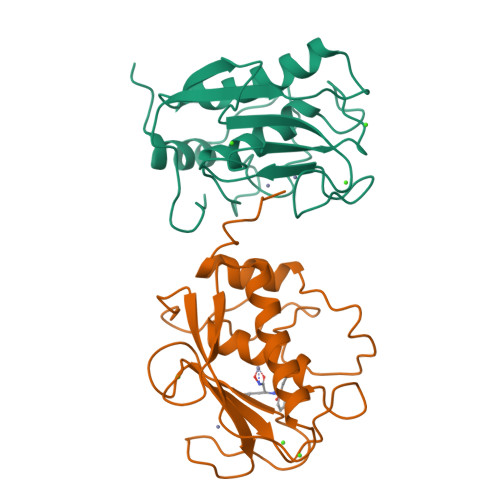
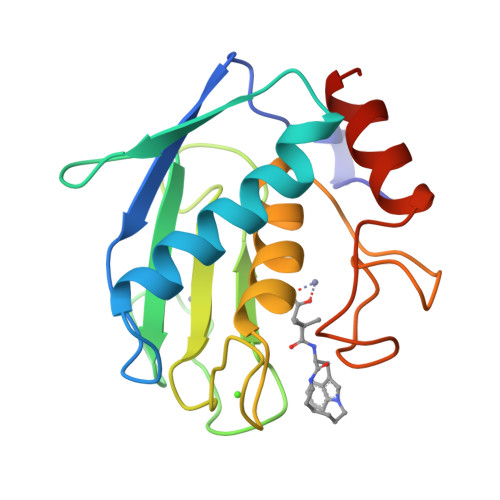
Click to view 3D structureThyrotropin releasing hormone degrading enzymeA0A287AP33Sus scrofaPredicted (SEA)
Prediction Confidence Score
0.329
Applicability Domain
0.329
Statistical Significance
7.20e-04
Supporting Reference Compounds
1
E-value
5.60514
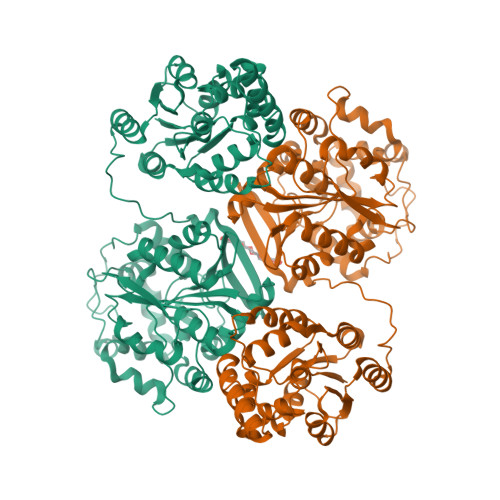
Carbonic anhydrase 2 structureClick to view 3D structureCarbonic anhydrase 2P00918HumansPredicted (SEA)
Prediction Confidence Score
0.3
Applicability Domain
0.35
Statistical Significance
0.0458
Supporting Reference Compounds
472
E-value
356.627
Carbonic anhydrase 1 structureClick to view 3D structureCarbonic anhydrase 1P00915HumansPredicted (SEA)
Prediction Confidence Score
0.298
Applicability Domain
0.35
Statistical Significance
0.0399
Supporting Reference Compounds
407
E-value
311.008
Interstitial collagenase structureClick to view 3D structureInterstitial collagenaseP03956HumansPredicted (SEA)
Prediction Confidence Score
0.297
Applicability Domain
0.311
Statistical Significance
0.032
Supporting Reference Compounds
258
E-value
249.118
Stromelysin-1 structureClick to view 3D structureStromelysin-1P08254HumansPredicted (SEA)
Prediction Confidence Score
0.297
Applicability Domain
0.311
Statistical Significance
0.0302
Supporting Reference Compounds
200
E-value
234.871
Inward rectifier potassium channel 2 structureClick to view 3D structureInward rectifier potassium channel 2P35561Mus musculusPredicted (SEA)
Prediction Confidence Score
0.296
Applicability Domain
0.296 Low confidence
Statistical Significance
0.0035
Supporting Reference Compounds
1
E-value
27.4029
Sentrin-specific protease 7 structureClick to view 3D structureSentrin-specific protease 7Q9BQF6HumansPredicted (SEA)
Prediction Confidence Score
0.294
Applicability Domain
0.352
Statistical Significance
0.0144
Supporting Reference Compounds
118
E-value
111.947
Bifunctional epoxide hydrolase 2 structureClick to view 3D structureBifunctional epoxide hydrolase 2P34913HumansPredicted (SEA)
Prediction Confidence Score
0.291
Applicability Domain
0.329
Statistical Significance
0.0194
Supporting Reference Compounds
93
E-value
151.261
Luciferin 4-monooxygenase structureClick to view 3D structureLuciferin 4-monooxygenaseP08659Photinus pyralisPredicted (SEA)
Prediction Confidence Score
0.291
Applicability Domain
0.358
Statistical Significance
0.0136
Supporting Reference Compounds
114
E-value
106.108
Collagenase 3 structureClick to view 3D structureCollagenase 3P45452HumansPredicted (SEA)
Prediction Confidence Score
0.29
Applicability Domain
0.311
Statistical Significance
0.037
Supporting Reference Compounds
269
E-value
287.731
Matrilysin structureClick to view 3D structureMatrilysinP09237HumansPredicted (SEA)
Prediction Confidence Score
0.29
Applicability Domain
0.311
Statistical Significance
0.0271
Supporting Reference Compounds
105
E-value
211.283
Matrix metalloproteinase-9 structureClick to view 3D structureMatrix metalloproteinase-9P14780HumansPredicted (SEA)
Prediction Confidence Score
0.286
Applicability Domain
0.3
Statistical Significance
0.0552
Supporting Reference Compounds
292
E-value
429.806
Ectonucleotide pyrophosphatase/phosphodiesterase family member 3 structureClick to view 3D structureEctonucleotide pyrophosphatase/phosphodiesterase family member 3O14638HumansPredicted (SEA)
Prediction Confidence Score
0.285
Applicability Domain
0.313
Statistical Significance
0.0012
Supporting Reference Compounds
22
E-value
9.73115
Vascular endothelial growth factor receptor 2 structureClick to view 3D structureVascular endothelial growth factor receptor 2P35968HumansPredicted (SEA)
Prediction Confidence Score
0.283
Applicability Domain
0.302
Statistical Significance
0.2151
Supporting Reference Compounds
1660
E-value
1674.3
Rho-associated protein kinase 1 structureClick to view 3D structureRho-associated protein kinase 1Q13464HumansPredicted (SEA)
Prediction Confidence Score
0.277
Applicability Domain
0.316
Statistical Significance
0.1712
Supporting Reference Compounds
834
E-value
1333.17
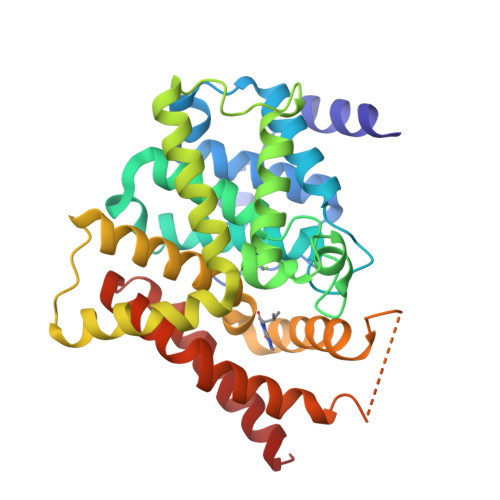
cGMP-specific 3',5'-cyclic phosphodiesterase structureClick to view 3D structurecGMP-specific 3',5'-cyclic phosphodiesteraseO76074HumansPredicted (SEA)
Prediction Confidence Score
0.277
Applicability Domain
0.329
Statistical Significance
0.0174
Supporting Reference Compounds
183
E-value
135.769
High affinity cGMP-specific 3',5'-cyclic phosphodiesterase 9A structureClick to view 3D structureHigh affinity cGMP-specific 3',5'-cyclic phosphodiesterase 9AO76083HumansPredicted (SEA)
Prediction Confidence Score
0.277
Applicability Domain
0.329
Statistical Significance
0.0054
Supporting Reference Compounds
96
E-value
41.7272
72 kDa type IV collagenase structureClick to view 3D structure72 kDa type IV collagenaseP08253HumansPredicted (SEA)
Prediction Confidence Score
0.275
Applicability Domain
0.282 Low confidence
Statistical Significance
0.0776
Supporting Reference Compounds
400
E-value
604.11
Click to view 3D structureTransient receptor potential cation channel subfamily A member 1Q6RI86Rattus norvegicusPredicted (SEA)
Prediction Confidence Score
0.275
Applicability Domain
0.386
Statistical Significance
0.0039
Supporting Reference Compounds
56
E-value
30.2833
Click to view 3D structureDNA damage-inducible transcript 3 proteinP35639Mus musculusPredicted (SEA)
Prediction Confidence Score
0.275
Applicability Domain
0.378
Statistical Significance
0.0247
Supporting Reference Compounds
226
E-value
192.365
X-box-binding protein 1 structureClick to view 3D structureX-box-binding protein 1P17861HumansPredicted (SEA)
Prediction Confidence Score
0.275
Applicability Domain
0.378
Statistical Significance
0.0247
Supporting Reference Compounds
227
E-value
192.365
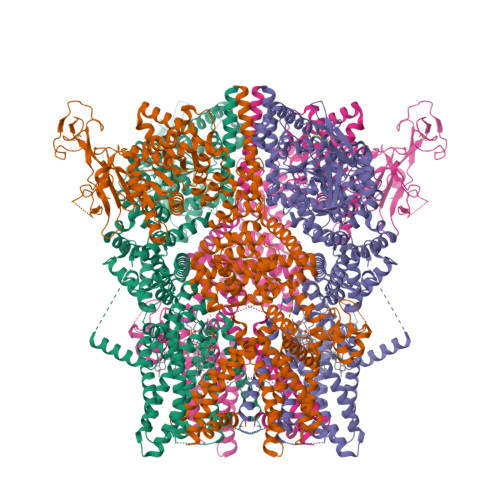
Transient receptor potential cation channel subfamily M member 8 structureClick to view 3D structureTransient receptor potential cation channel subfamily M member 8Q7Z2W7HumansPredicted (SEA)
Prediction Confidence Score
0.275
Applicability Domain
0.386
Statistical Significance
0.0034
Supporting Reference Compounds
43
E-value
26.313
Caspase-3 structureClick to view 3D structureCaspase-3P42574HumansPredicted (SEA)
Prediction Confidence Score
0.274
Applicability Domain
0.352
Statistical Significance
0.0262
Supporting Reference Compounds
125
E-value
204.354
Disintegrin and metalloproteinase domain-containing protein 17 structureClick to view 3D structureDisintegrin and metalloproteinase domain-containing protein 17P78536HumansPredicted (SEA)
Prediction Confidence Score
0.274
Applicability Domain
0.292 Low confidence
Statistical Significance
0.0293
Supporting Reference Compounds
166
E-value
228.176
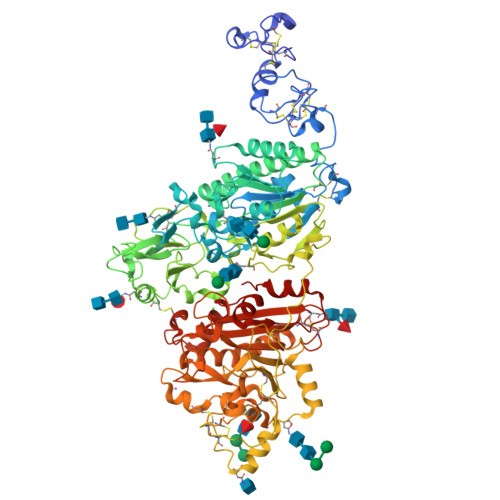
Autotaxin structureClick to view 3D structureAutotaxinQ13822HumansPredicted (SEA)
Prediction Confidence Score
0.274
Applicability Domain
0.297 Low confidence
Statistical Significance
0.0031
Supporting Reference Compounds
40
E-value
23.8219
Concentrations
Not Available
External Links
DrugBank IDNot Available
HMDB IDNot Available
FooDB IDNot Available
Phenol Explorer IDNot Available
KNApSAcK IDNot Available
BiGG IDNot Available
BioCyc IDNot Available
METLIN IDNot Available
PDB IDNot Available
Wikipedia LinkNot Available
Chemspider IDNot Available
ChEBI IDNot Available
PubChem Compound ID11266244
Kegg Compound IDNot Available
YMDB IDNot Available
ECMDB IDNot Available
References
Synthesis ReferenceNot Available
MSDSNot Available
General ReferencesNot Available