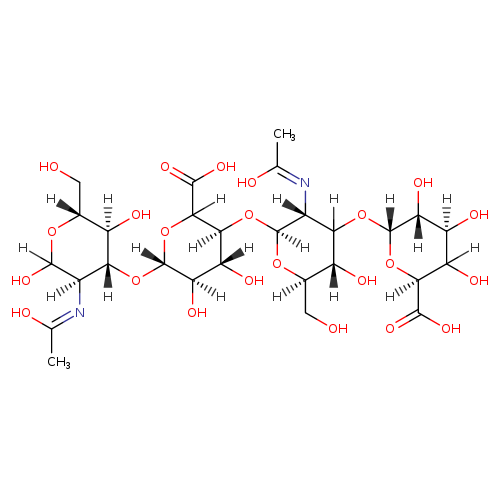
Hyaluronic acid belongs to the carbohydrates and carbohydrate conjugates, a subclass of organooxygen compounds within the organic compounds. With an average molecular weight of 776.65 g/mol, Hyaluronic acid is a heavy molecule. It has the chemical formula C28H44N2O23. In industrial applications, the compound is used as a humectant, an anti-static agent, and a softener and conditioner.
The compound is found in or released from ten recorded sources. Within healthcare, pharmaceuticals, and veterinary products, it is utilized in surgical aids, nasal preparations, drugs for disorders of the musculo-skeletal system, and cicatrizants. It is also present in household cleaning and consumer products, specifically soap dispensers, other smoking requisites, and non-electric simulated smoking devices. Additionally, it is found in communication cables or conductors within electrical and electronic equipment, and in the preparation of wine or sparkling wine and the preparation of vinegar. Recorded exposure routes include oral, topical, dental, vaginal, cutaneous, intra-articular, and intraepidermal.
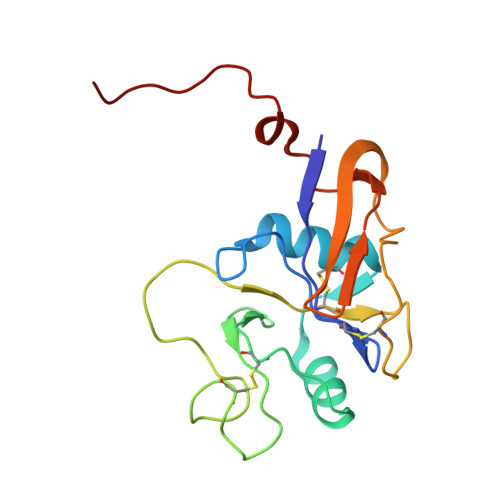
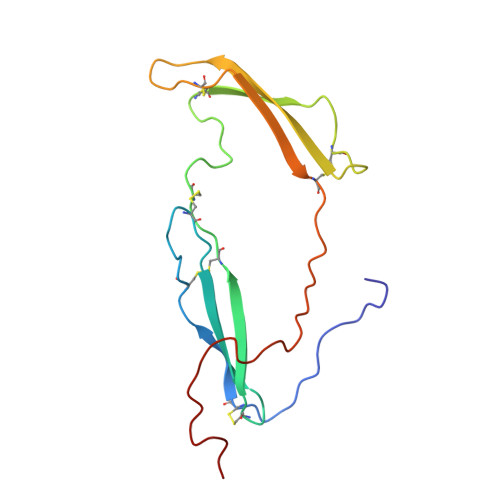
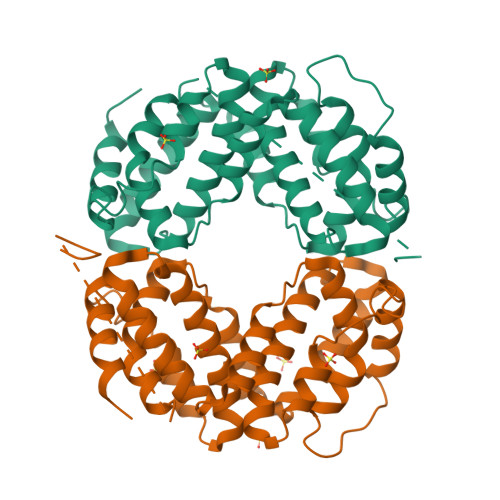
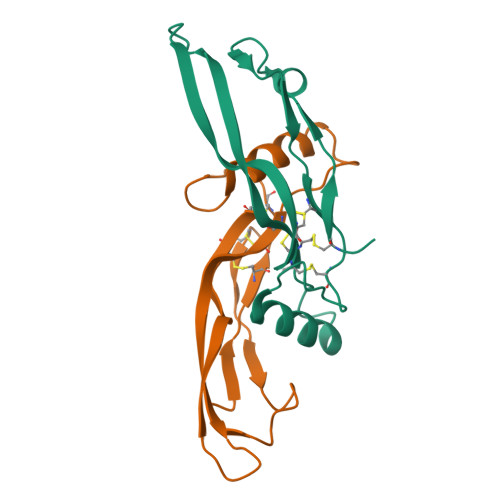
Hyaluronic acid interacts with 15 recorded protein targets. It acts as a binder/inhibitor and a binder/modulator of the CD44 antigen, the hyaluronan mediated motility receptor (HMMR), the intercellular adhesion molecule 1 (ICAM1), and the neurocan core protein (NCAN), as well as 11 other proteins.
Belongs to the class of organic compounds known as acylaminosugars. These are organic compounds containing a sugar linked to a chain through N-acyl group.