Traxoprodil (CED0013837)

Record Information
Version1.0
Creation Date2026-04-06 09:09:25 UTC
Update Date2026-08-20 06:16:03 UTC
SynCED IDCED0013837
Secondary Accession Numbers
  • CHEM121214
Identification
Common NameTraxoprodil
ClassSmall Molecule
Description
Traxoprodil is an organic compound with the formula C20H25NO3 and an average molecular weight of 327.42 g/mol. Traxoprodil belongs to the phenylpiperidines, a subclass of piperidines within the organic compounds. It is categorized under the superclass of organoheterocyclic compounds. Regarding its biological activity, there is one recorded protein target for this compound, as it acts as an antagonist of the Glutamate receptor ionotropic, NMDA 2B (GRIN2B). The compound has been identified in or released from 19 recorded sources across multiple sectors. Within electrical and electronic equipment, it is found in capacitors, cell phones, batteries, printed circuit boards, wires and cables, and six additional sources. In the sector of textiles, leather and furnishings, it is associated with synthetic textiles as well as carpets and rugs. Its presence is also noted in food packaging within the food, food processing and cookware sector, and in medical devices within the healthcare, pharmaceuticals and veterinary products sector. Additionally, it is found in lubricants used in both energy, oil and gas, as well as industrial manufacturing and chemical processing, along with two other sectors. Recorded routes of exposure for traxoprodil include touch, oral, and inhalation.
Contaminant Type
  • PFAS
Chemical Structure
SynonymsNot Available
Chemical FormulaC20H25NO3
Average Molecular Mass327.424 g/mol
Monoisotopic Mass327.183 g/mol
CAS Registry Number134234-12-1
IUPAC NameNot Available
Traditional NameNot Available
SMILESC[C@@H]([C@@H](O)C1=CC=C(O)C=C1)N1CCC(O)(CC1)C1=CC=CC=C1
InChI IdentifierInChI=1S/C20H25NO3/c1-15(19(23)16-7-9-18(22)10-8-16)21-13-11-20(24,12-14-21)17-5-3-2-4-6-17/h2-10,15,19,22-24H,11-14H2,1H3/t15-,19+/m0/s1
InChI KeyQEMSVZNTSXPFJA-HYVOBHSA-N
Chemical Taxonomy
ClassificationNot classified
Biological Properties
StatusDetected and Not Quantified
OriginNot Available
Cellular LocationsNot Available
Biofluid LocationsNot Available
Tissue LocationsNot Available
ApplicationsNot Available
Biological RolesNot Available
Chemical RolesNot Available
Organoleptic EffectsNot Available
Physical Properties
StateNot Available
AppearanceNot Available
Experimental Properties
PropertyValue
Melting PointNot Available
Boiling PointNot Available
SolubilityNot Available
Predicted PropertiesNot Available
Spectra
SpectraNot Available
Toxicity Profile
Toxicity ValuesNot Available
Toxicity / Toxin ClassNot Available
Mechanism of ToxicityNot Available
Carcinogenicity (IARC Classification)Not Available
Minimum Risk LevelNot Available
SymptomsNot Available
TreatmentNot Available
Health Effects
Health EffectRelationshipDirectionDescriptionReference
Exposure Sources
Source IDSourceSectorReference
CEDs000007Pesticides?Pesticides are synthetic chemicals designed to prevent, destroy, or control pests that threaten crops and agricultural productivity.Agriculture & land managementNot Available
CEDs000120Wires and cables?Wires and cables are integral components in the transmission of electrical power and signals.Electrical & Electronic EquipmentNot Available
CEDs000121Printed circuit boards?Printed circuit boards (PCBs) are essential components in the manufacturing of electronic devices, serving as the backbone for electrical connections and circuit pathways.Electrical & Electronic EquipmentNot Available
CEDs000125Batteries?Batteries are devices that store and release electrical energy through electrochemical reactions.Electrical & Electronic EquipmentNot Available
CEDs000130Semiconductors?Semiconductors are materials that possess electrical conductivity between that of conductors and insulators, making them essential for various electronic applications, including transistors, diodes, and integrated circuits.Electrical & Electronic EquipmentNot Available
CEDs000138Lubricants?Lubricants are synthetic or petroleum-derived substances used to reduce friction between surfaces in machinery and equipment, enhancing operational efficiency and longevity.Energy, oil & gasNot Available
CEDs000147Food packaging?Food packaging often utilizes synthetic chemicals, such as plastics and coatings, to enhance durability, moisture resistance, and shelf life.Food, food processing & cookwareNot Available
CEDs000174Lubricants?Lubricants are synthetic or petroleum-based substances used to reduce friction and wear between moving parts in machinery and equipment.Industrial manufacturing & chemical processingNot Available
CEDs000234Medical devices?Medical devices often incorporate synthetic chemicals in their manufacturing processes, which can contribute to contamination in healthcare settings.Healthcare, pharmaceuticals & veterinary productsNot Available
CEDs000451Carpets and Rugs?Carpets and rugs are commonly manufactured using synthetic fibers such as nylon, polyester, and polypropylene, which can be derived from petrochemical sources.Textiles, leather & furnishingsNot Available
CEDs000454Synthetic textiles?Synthetic textiles are materials derived from man-made fibers, such as polyester, nylon, and acrylic, which are produced through chemical processes involving petrochemicals.Textiles, leather & furnishingsNot Available
CEDs000490Personal care & cosmeticsNot Available
CEDs000492Cell phones?Cell phones contain a variety of synthetic chemicals and materials, including plastics, metals, and glass, which can contribute to environmental contamination.Electrical & Electronic EquipmentNot Available
CEDs000493Capacitors?Capacitors are electronic components that store and release electrical energy, often using dielectric materials that can include synthetic chemicals.Electrical & Electronic EquipmentNot Available
CEDs000503Tents Or Canopies?Tents and canopies used in various applications can be a source of synthetic chemical contamination primarily due to the materials from which they are made.Building & ConstructionPubChem
CEDs000504Adjustable Resistors?Adjustable resistors, commonly used in various electronic devices, can contribute to synthetic chemical contamination through the materials and substances used in their manufacturing and disposal.Electrical & Electronic EquipmentPubChem
CEDs000505Amplifiers?Amplifiers, commonly used in various electronic devices to enhance signal strength, can be a source of synthetic chemical contamination due to the materials and processes involved in their production and disposal.Electrical & Electronic EquipmentPubChem
CEDs000506Antennas?Antennas, commonly used in communication technologies, can be a source of synthetic chemical contamination through the materials and coatings used in their construction.Electrical & Electronic EquipmentPubChem
CEDs000520Emergency Protective Devices?Emergency protective devices, such as circuit breakers and surge protectors, are essential components in electrical systems designed to prevent damage from overcurrent and surges.Electrical & Electronic EquipmentPubChem
CEDs000532Selectors?Selectors are components used in various electronic devices to control the flow of electrical signals.Electrical & Electronic EquipmentPubChem
CEDs000610Aftersun Products?Aftersun products are designed to soothe and hydrate the skin after sun exposure, often containing various synthetic chemicals such as emollients, preservatives, and fragrances.Personal care & cosmeticsPubChem
CEDs000630Toys?Toys, particularly those made from synthetic materials such as plastics, can be a source of chemical contamination due to the presence of various additives and compounds used in their production.Recreation & sports surfacesPubChem
CEDs000632Apparel?Apparel production often involves the use of various synthetic chemicals, including dyes, finishing agents, and preservatives.Textiles, leather & furnishingsPubChem
CEDs000638Decorating Textiles?Decorating textiles often involves the use of synthetic chemicals such as dyes, finishes, and coatings.Textiles, leather & furnishingsPubChem
CEDs000671Airplanes And Helicopters?Airplanes and helicopters are significant sources of synthetic chemical contamination primarily through the use of aviation fuels, lubricants, and de-icing agents.Aviation & AerospacePubChem
CEDs000673Unmanned Aerial Vehicles?Unmanned Aerial Vehicles (UAVs), commonly known as drones, utilize various synthetic chemicals in their manufacturing, operation, and maintenance processes.Aviation & AerospacePubChem
CEDs000685Ceramics?Ceramics can be a source of synthetic chemical contamination through various additives and processing agents used in their production.Building & ConstructionPubChem
CEDs000696Nanotechnology?Nanotechnology involves the manipulation of materials at the molecular or atomic level, typically within the range of 1 to 100 nanometers.Industrial manufacturing & chemical processingPubChem
CEDs000740Paper?Paper production involves the processing of wood fibers and the use of various chemicals, which can lead to synthetic chemical contamination.Paper, pulp & fiber productsPubChem
CEDs000744Water, Wastewater, & Sewage Treatment?Water, wastewater, and sewage treatment processes are critical for managing and mitigating pollutants in water systems.Wastewater, sanitation & biosolidsPubChem
Pathways
0 pathwaysPathway Source: PathBank

No pathways found

No metabolic pathways have been associated with this synthetic chemical

Targets
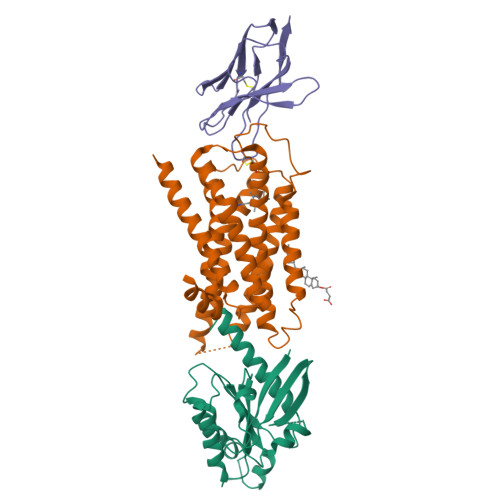
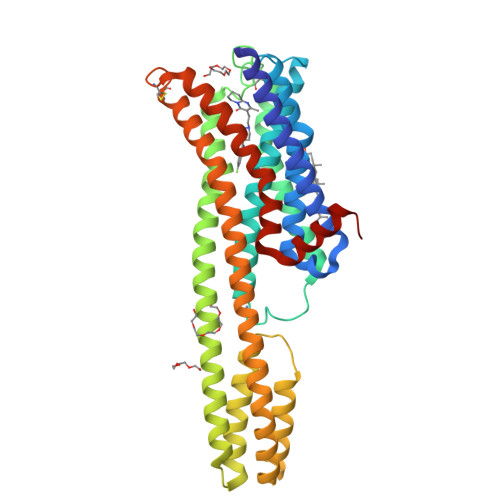
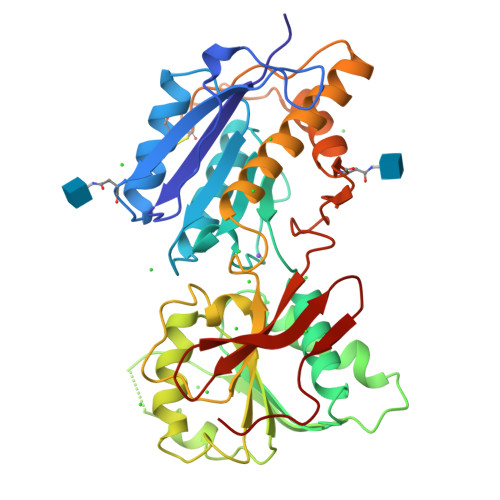
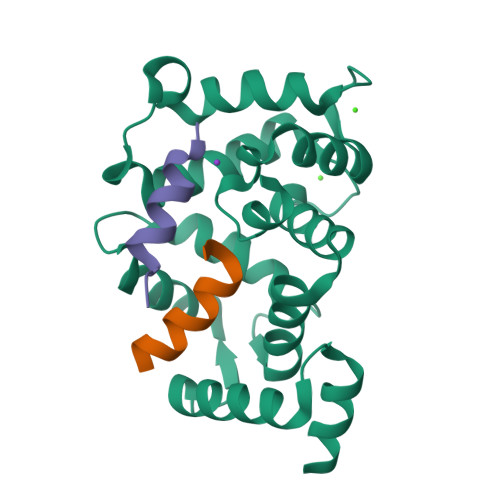
StructureProteinUniProt IDOrganismRelationshipDetails
Click to view 3D structureSigma non-opioid intracellular receptor 1Q60492Cavia porcellusPredicted (SEA)
Prediction Confidence Score
0.551
Applicability Domain
0.551
Statistical Significance
0.0011
Supporting Reference Compounds
229
E-value
8.64126
Glutamate receptor ionotropic, NMDA 2B structureClick to view 3D structureGlutamate receptor ionotropic, NMDA 2BQ13224HumansPredicted (SEA)
Prediction Confidence Score
0.551
Applicability Domain
0.551
Statistical Significance
1.60e-04
Supporting Reference Compounds
54
E-value
1.24559
Click to view 3D structureSigma intracellular receptor 2Q5U3Y7Rattus norvegicusPredicted (SEA)
Prediction Confidence Score
0.551
Applicability Domain
0.551
Statistical Significance
2.70e-04
Supporting Reference Compounds
110
E-value
2.10193
5-hydroxytryptamine receptor 2C structureClick to view 3D structure5-hydroxytryptamine receptor 2CP28335HumansPredicted (SEA)
Prediction Confidence Score
0.503
Applicability Domain
0.551
Statistical Significance
0.0033
Supporting Reference Compounds
823
E-value
25.5345
Alpha-2A adrenergic receptor structureClick to view 3D structureAlpha-2A adrenergic receptorP08913HumansPredicted (SEA)
Prediction Confidence Score
0.499
Applicability Domain
0.551
Statistical Significance
0.0014
Supporting Reference Compounds
487
E-value
11.2881
Alpha-1A adrenergic receptor structureClick to view 3D structureAlpha-1A adrenergic receptorP35348HumansPredicted (SEA)
Prediction Confidence Score
0.499
Applicability Domain
0.551
Statistical Significance
0.0023
Supporting Reference Compounds
376
E-value
17.8275
5-hydroxytryptamine receptor 2B structureClick to view 3D structure5-hydroxytryptamine receptor 2BP41595HumansPredicted (SEA)
Prediction Confidence Score
0.499
Applicability Domain
0.551
Statistical Significance
0.0023
Supporting Reference Compounds
686
E-value
18.2946
5-hydroxytryptamine receptor 2A structureClick to view 3D structure5-hydroxytryptamine receptor 2AP28223HumansPredicted (SEA)
Prediction Confidence Score
0.498
Applicability Domain
0.551
Statistical Significance
0.005
Supporting Reference Compounds
955
E-value
38.6132
5-hydroxytryptamine receptor 6 structureClick to view 3D structure5-hydroxytryptamine receptor 6P50406HumansPredicted (SEA)
Prediction Confidence Score
0.498
Applicability Domain
0.551
Statistical Significance
0.002
Supporting Reference Compounds
536
E-value
15.6477
5-hydroxytryptamine receptor 7 structureClick to view 3D structure5-hydroxytryptamine receptor 7P34969HumansPredicted (SEA)
Prediction Confidence Score
0.498
Applicability Domain
0.551
Statistical Significance
0.003
Supporting Reference Compounds
565
E-value
23.6662
5-hydroxytryptamine receptor 1A structureClick to view 3D structure5-hydroxytryptamine receptor 1AP08908HumansPredicted (SEA)
Prediction Confidence Score
0.498
Applicability Domain
0.551
Statistical Significance
0.0063
Supporting Reference Compounds
953
E-value
49.4343
Sigma non-opioid intracellular receptor 1 structureClick to view 3D structureSigma non-opioid intracellular receptor 1Q99720HumansPredicted (SEA)
Prediction Confidence Score
0.457
Applicability Domain
0.551
Statistical Significance
0.0047
Supporting Reference Compounds
562
E-value
36.7448
Glutamate receptor ionotropic, NMDA 2B structureClick to view 3D structureGlutamate receptor ionotropic, NMDA 2BQ00960Rattus norvegicusPredicted (SEA)
Prediction Confidence Score
0.45
Applicability Domain
0.558
Statistical Significance
6.30e-04
Supporting Reference Compounds
36
E-value
4.9045
Voltage-gated inwardly rectifying potassium channel KCNH2 structureClick to view 3D structureVoltage-gated inwardly rectifying potassium channel KCNH2Q12809HumansPredicted (SEA)
Prediction Confidence Score
0.431
Applicability Domain
0.551
Statistical Significance
0.0179
Supporting Reference Compounds
1498
E-value
139.739
Glutamate receptor ionotropic, NMDA 2C structureClick to view 3D structureGlutamate receptor ionotropic, NMDA 2CQ00961Rattus norvegicusPredicted (SEA)
Prediction Confidence Score
0.374
Applicability Domain
0.551
Statistical Significance
6.00e-04
Supporting Reference Compounds
35
E-value
4.67095
D(2) dopamine receptor structureClick to view 3D structureD(2) dopamine receptorP14416HumansPredicted (SEA)
Prediction Confidence Score
0.364
Applicability Domain
0.551
Statistical Significance
0.0325
Supporting Reference Compounds
1103
E-value
253.321
Mu-type opioid receptor structureClick to view 3D structureMu-type opioid receptorP35372HumansPredicted (SEA)
Prediction Confidence Score
0.349
Applicability Domain
0.551
Statistical Significance
0.0371
Supporting Reference Compounds
527
E-value
288.821
Cytochrome P450 2D6 structureClick to view 3D structureCytochrome P450 2D6P10635HumansPredicted (SEA)
Prediction Confidence Score
0.331
Applicability Domain
0.558
Statistical Significance
0.05
Supporting Reference Compounds
1130
E-value
389.402
Histamine H1 receptor structureClick to view 3D structureHistamine H1 receptorP35367HumansPredicted (SEA)
Prediction Confidence Score
0.325
Applicability Domain
0.551
Statistical Significance
0.03
Supporting Reference Compounds
507
E-value
233.703
Click to view 3D structureSodium-dependent dopamine transporterP23977Rattus norvegicusPredicted (SEA)
Prediction Confidence Score
0.322
Applicability Domain
0.551
Statistical Significance
0.0124
Supporting Reference Compounds
203
E-value
96.4552
Click to view 3D structureSigma non-opioid intracellular receptor 1Q9R0C9Rattus norvegicusPredicted (SEA)
Prediction Confidence Score
0.32
Applicability Domain
0.551
Statistical Significance
0.0146
Supporting Reference Compounds
207
E-value
113.893
Click to view 3D structureD(2) dopamine receptorP61169RatPredicted (SEA)
Prediction Confidence Score
0.315
Applicability Domain
0.322
Statistical Significance
0.0413
Supporting Reference Compounds
528
E-value
321.517
Delta-type opioid receptor structureClick to view 3D structureDelta-type opioid receptorP41143HumansPredicted (SEA)
Prediction Confidence Score
0.301
Applicability Domain
0.333
Statistical Significance
0.0579
Supporting Reference Compounds
427
E-value
450.981
D(3) dopamine receptor structureClick to view 3D structureD(3) dopamine receptorP35462HumansPredicted (SEA)
Prediction Confidence Score
0.297
Applicability Domain
0.317
Statistical Significance
0.0745
Supporting Reference Compounds
861
E-value
579.743
Sodium-dependent serotonin transporter structureClick to view 3D structureSodium-dependent serotonin transporterP31645HumansPredicted (SEA)
Prediction Confidence Score
0.296
Applicability Domain
0.308
Statistical Significance
0.0544
Supporting Reference Compounds
593
E-value
423.5
Glutamate receptor ionotropic, NMDA 2B structureClick to view 3D structureGlutamate receptor ionotropic, NMDA 2BQ13224HumansKnownNot Available
Concentrations
Not Available
External Links
IdentifiersNot Available
References
Synthesis ReferenceNot Available
MSDSNot Available
General ReferencesNot Available